
Recently, APG marketing teamed up with government relations to accompany the USDA Foreign Agricultural Services to learn about how to expand U.S. exports into Indonesia.
Scott Fryer, VP of Marketing mentions, “Indonesia is an attractive potential future market for American Pistachios. They are the 4th largest populated country in the world, one of Southeast Asia’s fastest growing economies*. As an industry, we currently ship less than 250,000 lbs. there, suggesting there is a lot of opportunity to grow”.**
During the trade mission, APG uncovered a lot of learnings. One important learning, after speaking with several buyers, it was discovered that these importers are importing 10X more volume from Iran, the next biggest worldwide supplier of pistachios. There is opportunity for U.S. pistachio growth in the country, and we look forward to further develop relationships with the industry in Indonesia.
*Reuters.com- Feb 4, 2026
**ACP Shipment data- Sept 25-August 26
As APG continues to maximize demand across the globe, partnering with the USDA has been increasingly more important. APG and USDA have a shared goal- to export American Products.
The APG marketing team has applied for 3 additional marketing grants recently. This Market Access Program, or MAP, is the first one we’ve received word on.
VP of Marketing, Scott Fryer said, “It is because of these Federal marketing grants that we can drive further demand in places like India. We are excited to continue to partner with the USDA in growing our pistachio export markets and expanding into new ones.”

Cricket fans across India are celebrating a major sporting milestone following the national team’s victory in the 2026 ICC Men’s T20 World Cup. After defeating England in a thrilling semifinal match, India advanced to the championship game and went on to secure the title with a dominant performance in the final.
One of the standout players of the tournament was American Pistachios global ambassador Jasprit Bumrah, widely recognized as one of the world’s top fast bowlers. In the World Cup final, Bumrah delivered a remarkable performance, taking four wickets for just 15 runs and earning Player of the Match honors as India captured the championship.
Bumrah’s contributions throughout the tournament helped propel India to its third T20 World Cup title, further cementing the country’s dominance in international cricket and igniting celebrations among millions of fans across the country.
For American Pistachio Growers, Bumrah’s continued success on the world stage highlights the powerful connection between sport, culture, and our growing consumer engagement in India, where cricket remains the nation’s most beloved sport.
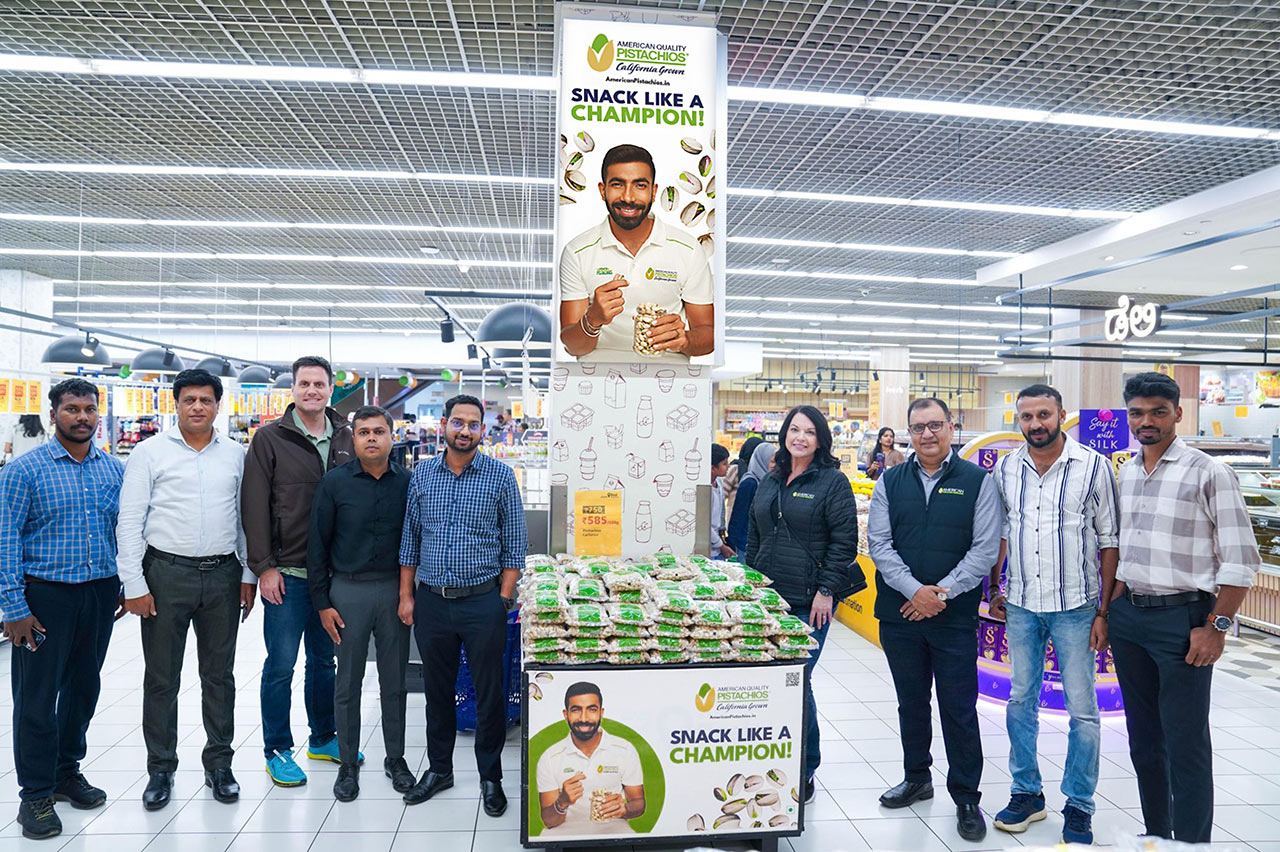
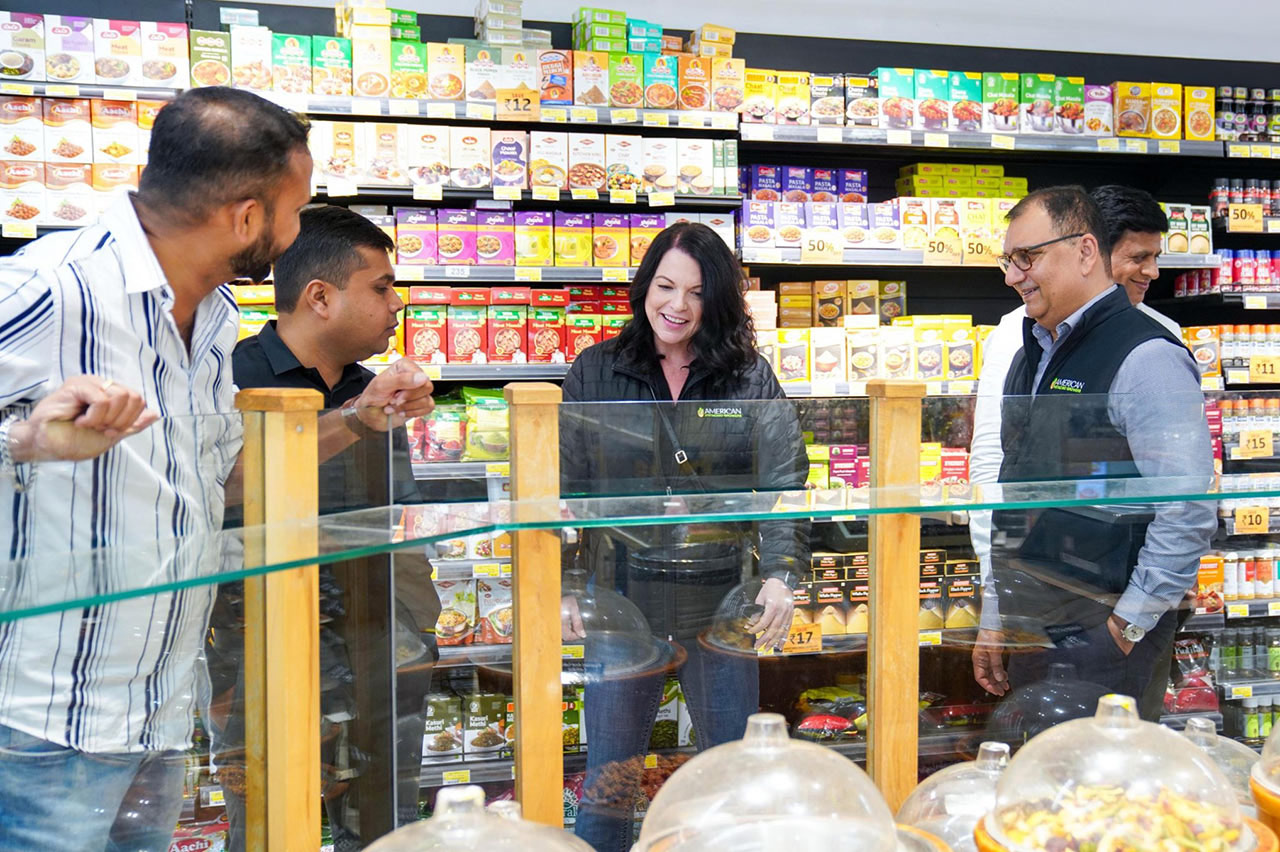
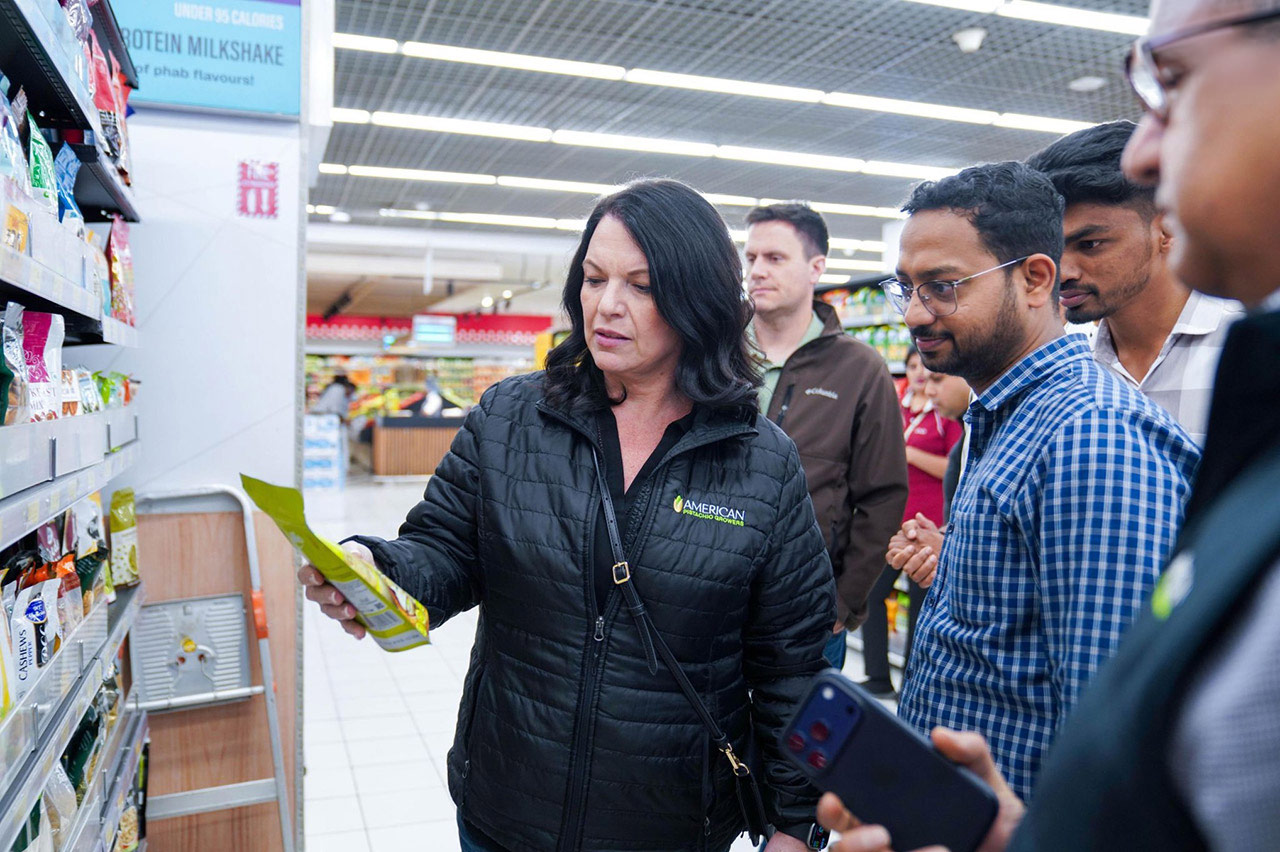
During our recent visit to India for the MEWA Conference, the American Pistachio Growers team had the opportunity to visit LuLu Hypermarket at LuLu Mall Rajajinagar in Bengaluru, one of the region’s most important retail partners. The visit provided a valuable opportunity to meet with the LuLu team, observe the in-store merchandising firsthand, and strengthen our collaborative relationship in this key market.
As part of our retail marketing efforts, American Pistachios were recently featured in a LuLu Hypermarket promotion that included prominent in-store displays and placement in the retailer’s monthly circular. Early sales results from this activation have been exceptionally strong.
Through January 20, the promotion generated 11,927 units sold, representing 55% more product sold in the first 20 days of January than in the entire month of December (7,702 units), when no promotion was running. If the current pace continues, the program is projected to deliver a 232% sales lift for the promotional period at this retailer alone.
These results highlight the impact of targeted retail partnerships and in-store visibility in accelerating consumer demand for American Pistachios in India.
APG representatives Suzanne Devereaux-McKinstrie, Scott Fryer, and Sumit Saran visiting LuLu Hypermarket during the MEWA Conference trip.
American Pistachio Growers is excited to announce the official launch of our consumer marketing program in Brazil, marking an important milestone in expanding demand for American pistachios.

Brazil’s large population and growing interest in healthy, premium snacks make it a strong opportunity for pistachios. While awareness of pistachios is still developing, early conversations with retailers, distributors, and consumers have shown strong curiosity and enthusiasm.
A core objective of the program is expanding trade partnerships and increasing the availability of pistachios in Brazil. To support this goal, APG’s marketing efforts will include trade development, consumer education, influencer collaborations, and more!
With approximately 70% of the American pistachio crop exported, market development programs like this play a critical role in strengthening global demand and supporting long-term growth for the industry.
As part of the launch, APG has introduced new social and web profiles designed specifically for Brazilian consumers. We encouraged you to explore these channels to see how American pistachios are being introduced to the market:
 Website: americanpistachios.com.br
  Instagram: @pistachesamericanos
We look forward to sharing more updates as the program continues to grow and build momentum.
To celebrate National Pistachio Day, American Pistachio Growers hosted a special giveaway on our Instagram channel featuring a curated collection of pistachio products and pistachio-inspired items creating the ultimate pistachio prize pack to celebrate the day.
Giveaways are a powerful marketing tool because they encourage our audience to actively engage with the content while introducing the category to new consumers online. The giveaway created strong engagement, with nearly 300,000 video views, hundreds of comments from consumers entering the contest, and more than 300 new followers joining the American Pistachio Instagram community.
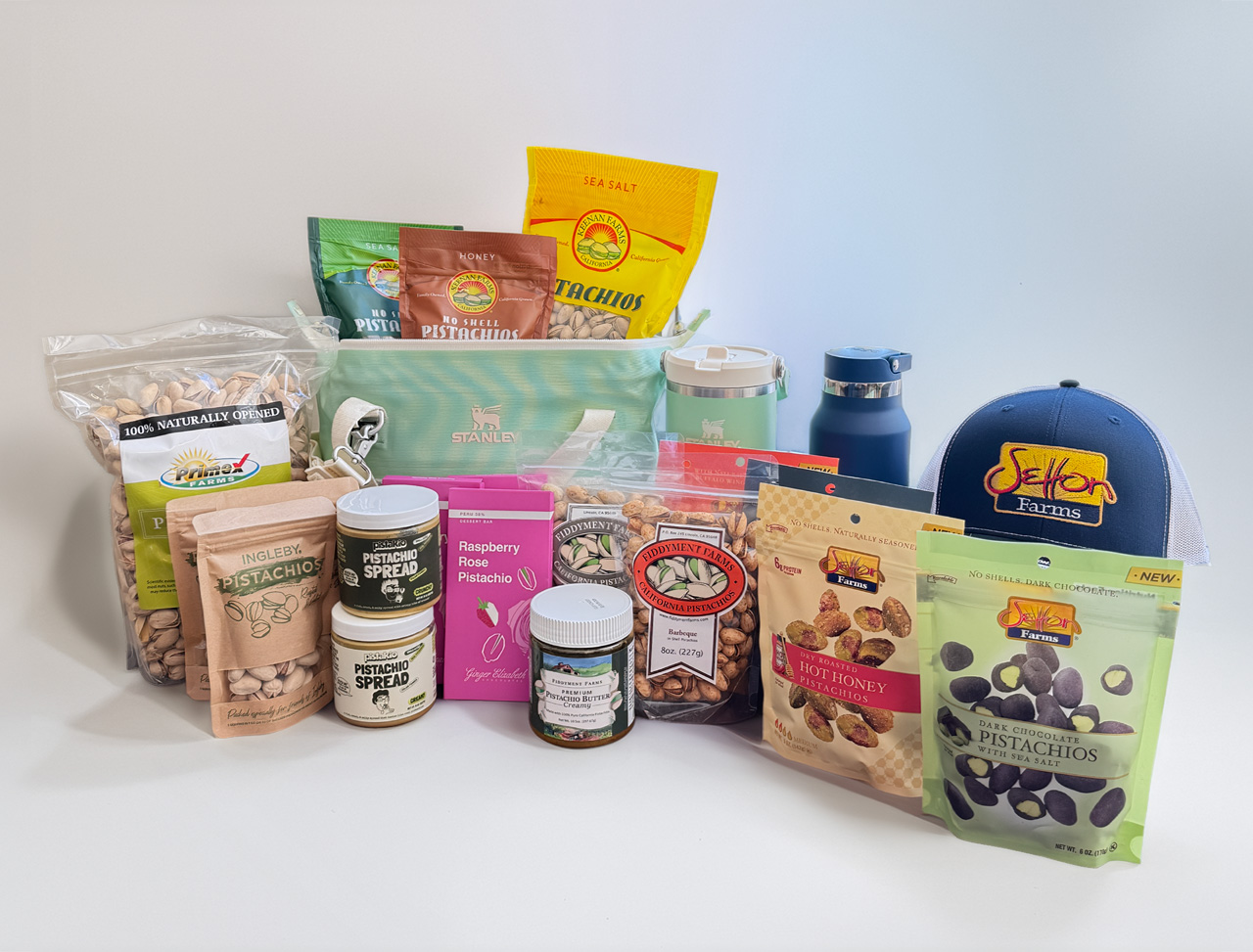
Check out the collection of products and pistachio-inspired goodies that will be heading to our lucky giveaway winner!
A special thank you to the processors and partners who generously contributed products for the prize pack: Primex Farms, Keenan Farms, Horizon Growers, Fiddyment Farms, Setton Farms, Ingleby Farms, Eat Pistakio, and Ginger Elizabeth Chocolates.
Their participation helped create a fun and memorable National Pistachio Day moment for consumers while showcasing the incredible range of pistachio products available today!
American Quality Pistachios has seen great nutrition traction this quarter, with both scientific publication and media stories showcasing the nutritional benefits of pistachios. See here for highlights.
This clinical trial examined daily tree nuts as between-meal snacks vs more typical high-carbohydrate snacks in American young adults at high risk for metabolic syndrome. The study found that replacing usual between-meal snacks with tree nuts (including pistachios) reduced cravings for sweets (e.g., cake, candy, ice cream). Overall diet quality improved by ~19% in the tree-nut group. The study is the result of APG’s contribution to INC’s Nutrition Research Education Foundation, which looks at the health benefits of mixed tree nuts.
As a result of public relations efforts sharing nutrition messaging, positive stories about pistachios reached more than 170 million potential readers in target-right media outlets this quarter alone! See here for a collection of our latest hits.





British consumers are gearing up for a fun and delicious Easter season with several premium chocolate brands, such as Lindt and Marks & Spenser, releasing Pistachio Easter Eggs. Pistachio Easter eggs are a top 2026 trend in the UK, with popular options including the £20 M&S Collection Pistachio Filled Egg Shell, Waitrose’s viral £17 “Cracking” egg, and a £10 Asda white chocolate alternative.

The innovation doesn’t stop at chocolate! Bio&Me, a UK-based gut health brand, is expanding its breakfast portfolio with the launch of two pistachio-based products, a Pistachio & Vanilla Low Sugar Granola and a Pistachio & Chia Overnight Oats, capitalizing on the growing popularity of pistachios while reinforcing its science-led positioning.
The brand’s founder, Dr Megan Rossi, commented: “Pistachio is having a real moment, and it’s easy to see why. Not only do they bring a naturally delicious, creamy flavour, but they’re also rich in gut-loving prebiotics and plant protein. At Bio&Me, we’re always led by the science, so choosing pistachios isn’t about following a trend for trend’s sake – it’s about pairing great taste with gut health benefits.”
Jon Walsh, co-founder and CEO of Bio&Me, said: “We’ve seen strong demand from both consumers and retailers for a Bio&Me take on pistachio. These launches allow us to tap into the trend in a way that’s authentic to Bio&Me, delivering plant diversity and strong gut health credentials.”
With nutrition research being the backbone of APG’s global marketing campaigns, we are so excited to see brands seek American pistachios to elevate their brands in this way.

APG thanks everyone who participated in the Corky Anderson PAC Golf Tournament and PAC Breakfast. It was a tremendous success!
This annual event helps fund APG’s Political Action Committee (PAC), which plays a vital role in supporting elected officials and candidates who understand and advocate for the agriculture industry.
We truly appreciate the continued support and commitment from everyone who attended, sponsored, and helped make the event possible.

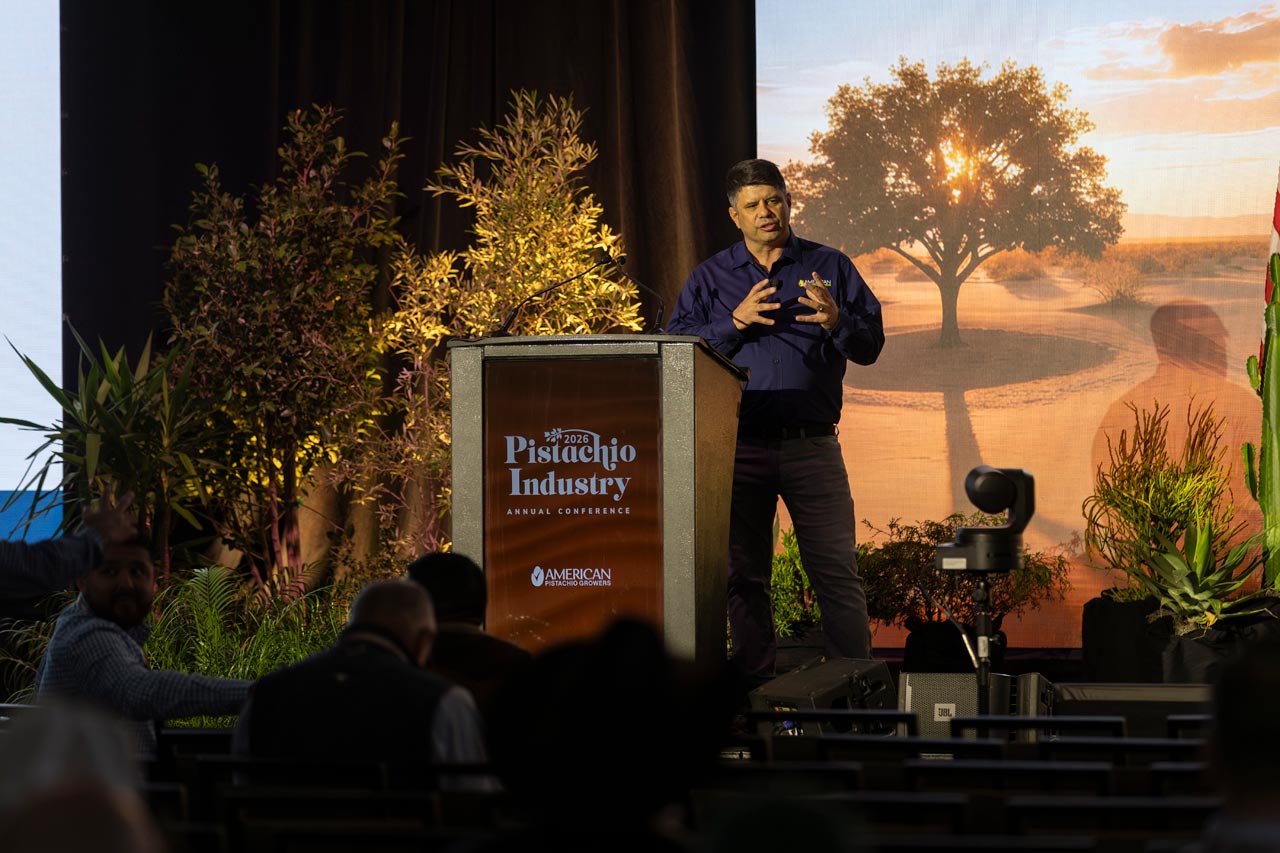
Thank you to former Senator Kyrsten Sinema for speaking at APG’s Annual PAC Breakfast. We were honored to have former U.S. Senator Kyrsten Sinema—now President and CEO of the Arizona Business Roundtable—join us to talk political strategy and policy at APG’s 2026 Annual Conference.
Washington — Members of the U.S. House Committee on Agriculture, including California Representatives Adam Gray and Jim Costa and New Mexico Representative Gabe Vasquez—each representing districts that produce pistachios—voted to advance the Farm, Food, and National Security Act of 2026, moving the major agriculture package, commonly known as the Farm Bill, to the next stage in Congress.
The Farm Bill is the primary multiyear law governing federal agricultural, food, conservation, and rural development programs that support farmers, producers, and rural economies across the United States.
The legislation includes provisions to expand risk-management tools for farmers, protect American-grown commodities, and encourage the use of precision agriculture and emerging technologies.
It also strengthens research and development support for specialty crop growers and increases funding for export promotion and market expansion programs. The bill would double funding for the Market Access Program (MAP), the Foreign Market Development Program (FMD), and the Technical Assistance for Specialty Crops (TASC) program.
Additional provisions would establish a specialty crop advisory committee to guide policy development, expand federal procurement programs, and improve the Specialty Crop Block Grant Program.
Committee members also secured a commitment from Agriculture Committee Chairman Glenn “GT” Thompson to pursue billions of dollars in economic assistance for specialty crop growers through a future federal funding bill.
Growers in California’s Central Valley have faced mounting pressures over the past year, including trade uncertainty, rising input costs, and increased global competition—challenges that have particularly affected specialty crop producers.
If enacted, the legislation and proposed funding could provide significant economic support and policy stability for farmers in one of the nation’s most productive agricultural regions.
Assemblymember Esmeralda Soria and Senator Jeff McNerney Lead the Effort
Senator McNerney is requesting support for several programs that strengthen California’s agricultural economy, improve air quality for residents, and reduce greenhouse gas emissions from the state’s agricultural sector.
Several statewide grant programs have successfully supported the transition to climate-smart agriculture:

Outdoor Heat Illness Prevention Standard
This standard requires employers in all outdoor places of employment to reduce the risk of heat illness among workers and to establish a heat illness prevention program. This plan does not absolve employers from complying with Cal/OSHA and IIPP requirements. Cal/OSHA’s outdoor heat illness prevention regulation requires that employers developed a written heat illness plan in both English and the language understood by the majority of employees. It must be made available to all employees upon request. All heat illness prevention plans must at a minimum cover:
Providing Sufficient Water and Shade
Employers are required to provide employees with sufficient access to drinking water free of charge during employees’ shifts. Employees should be provided with at least one quart of water per hour throughout their shifts. Employers should regularly check and refill water containers. Employers must provide additional water and increase the number of water breaks for their employees when the temperature equals or exceeds 95 degrees Fahrenheit, or during a heatwave.
California law requires that shade be made available at all times if the temperature is over 80 degrees Fahrenheit, or by employee request even if it is not that hot. Shade areas must either be open to the air or have other means of ventilation or cooling. Shade areas must be large enough to have space for all employees, and they should be located as close as possible to worksites. During cool-down rest breaks, employers should monitor their employees for signs of heat illness and ask whether they are experiencing symptoms. No employee showing symptoms of heat illness should return to work until the symptoms have resolved.
High Heat Procedures
Ag employers must implement high-heat procedures when the temperature equals or exceeds 95 degrees Fahrenheit. Employees must take a minimum 10-minute preventative cool-down rest period every two hours. Remind employees to drink water and have pre-shift meetings to review high-heat procedures. Make sure employees can contact a supervisor when necessary. Monitor all employees for symptoms of heat illness by assigning someone to observe no more than 20 workers, using a buddy system, communicating with solo employees via radio or phone, or observing them.
Acclimatization Methods and Procedures
All employees must be closely observed by a supervisor during a heatwave; any day in which the predicted high temperature for the day will be at least 80 degrees Fahrenheit and at least 10 degrees Fahrenheit higher than the average high daily temperature in the preceding five days. Employees who are newly assigned to a high-heat area must be closely observed by supervisors for the first 14 days of the employees’ employment.
Injury and Illness Prevention Program Standards
Cal/OSHA requires every employer to develop and implement an effective injury and illness prevention program (IIPP). IIPP requirements are designed to improve safety and health in an employer’s workplace. Having one can reduce an employer’s risk and costs. All IIPPs must consist of 8 program elements: responsibility, compliance, communication, hazard assessments and correction, accident/exposure investigation, training and instruction, employee access to program, and record keeping.
What does an IIPP Entail?
Employers must authorize or designate an employee or employees to implement and manage the IIPP. Employers must include a system to ensure that employees are complying with the safety and health standards within their IIPP. This includes recognition, training, discipline, and evaluation. Employers with fewer than 10 employees may communicate general IIPP requirements and specific assignment hazard instructions to their employees verbally. All employees must receive training and instruction on general and job-specific safety and health practices.
Employers should have hazard assessment procedures for identifying and evaluating workplace hazards, such as scheduled periodic inspection to identify unsafe conditions and work practices. Employers should include methods for correcting unsafe or unhealthy conditions, work practices, and procedures in a prompt manner, based on the severity of the hazard when it is discovered. Employers must provide necessary safeguards for employees that are required to correct the hazardous condition.
Employers must include in their IIPP a procedure to investigate occupational injuries or illnesses: visit the accident, interview injured employees and witnesses, exam the workplace, take corrective action, and record findings. Employers must provide access to the IIPP in a reasonable time, place and manner, but no later than five business days after they receive an employee request. Employers must record the steps they take to implement and maintain their IIPP. Employer IIPP recordkeeping requirements vary depending on whether employers are classified as high hazard, non-hazard or governmental entities.
How We Can Help
At James G Parker Insurance Associates, we offer a wide variety of services specifically designed to assist companies in the agriculture industry. Our services include loss control and heat stress training, Injury and Illness Prevention Program (IIPP) manuals, inspection services, train-the-trainer programs, claim support, HR support, and more. We believe that no company should have to bear all the burdens that come with these responsibilities alone.
Our team is here to support the needs of APG Members. For more information, please contact Matt Luis, Vice President of Agribusiness, by phone at 559-244-9145 or email at mluis@jgparker.com



Beyond the sessions, the conference created countless opportunities for connection. The exhibit hall buzzed with activity as industry partners showcased products, services, and technologies supporting growers, while receptions and evening events brought everyone together to celebrate the relationships that make our industry so unique.
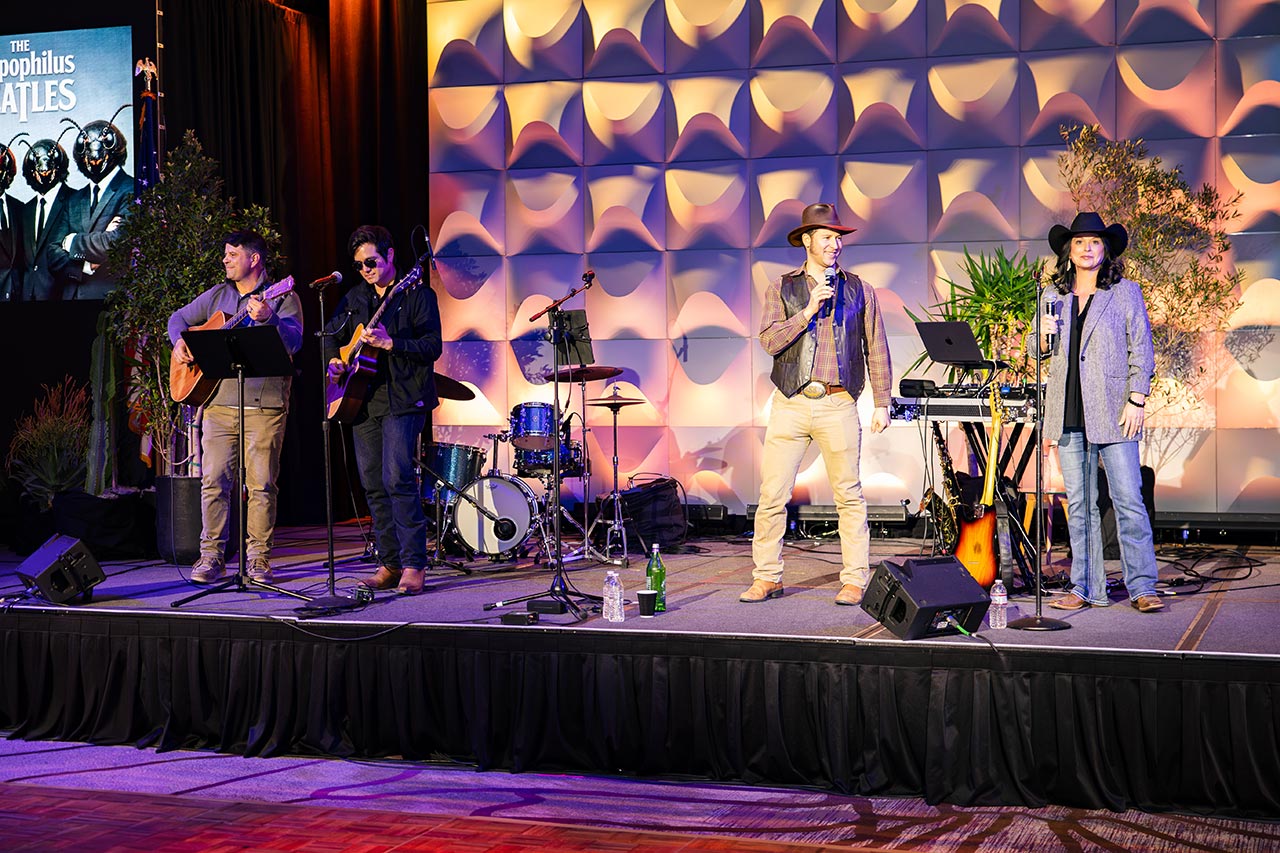
The closing party ended on a high note with a surprise performance by APG’s own house band, The Carpophilus Beetles, featuring Joe Coelho, Suzanne Devereaux, Matthew Malcolm, and Orlando Tapia.
Thank you to everyone who joined us in Indian Wells — we can’t wait to see you again next year!






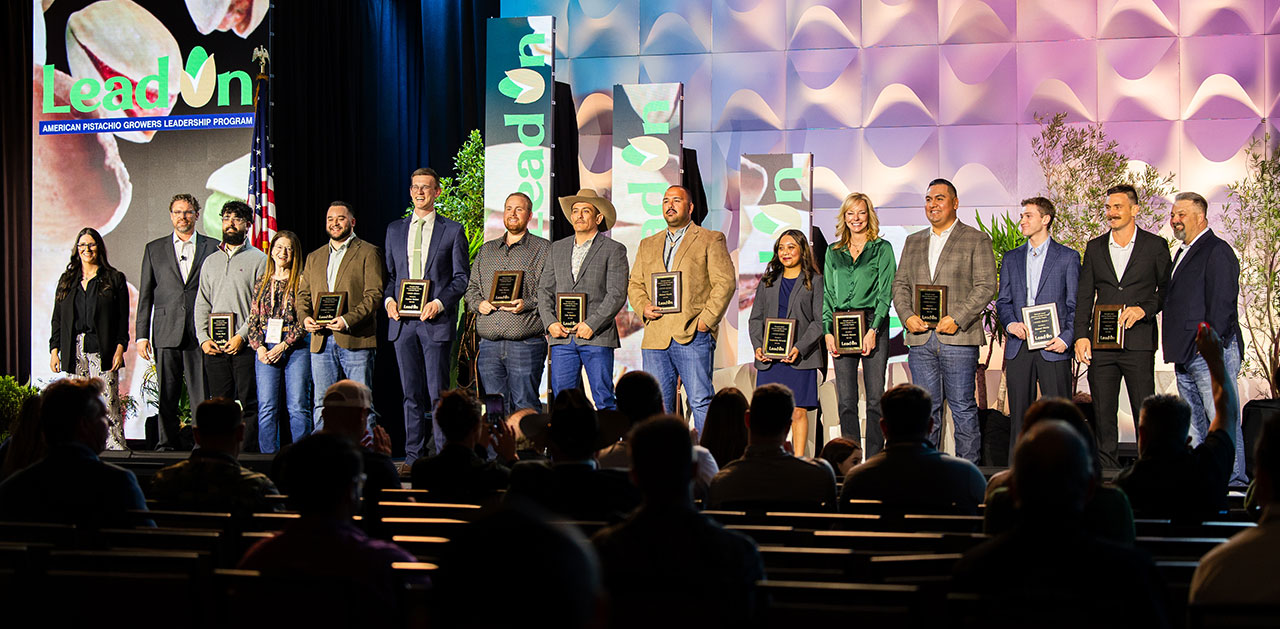
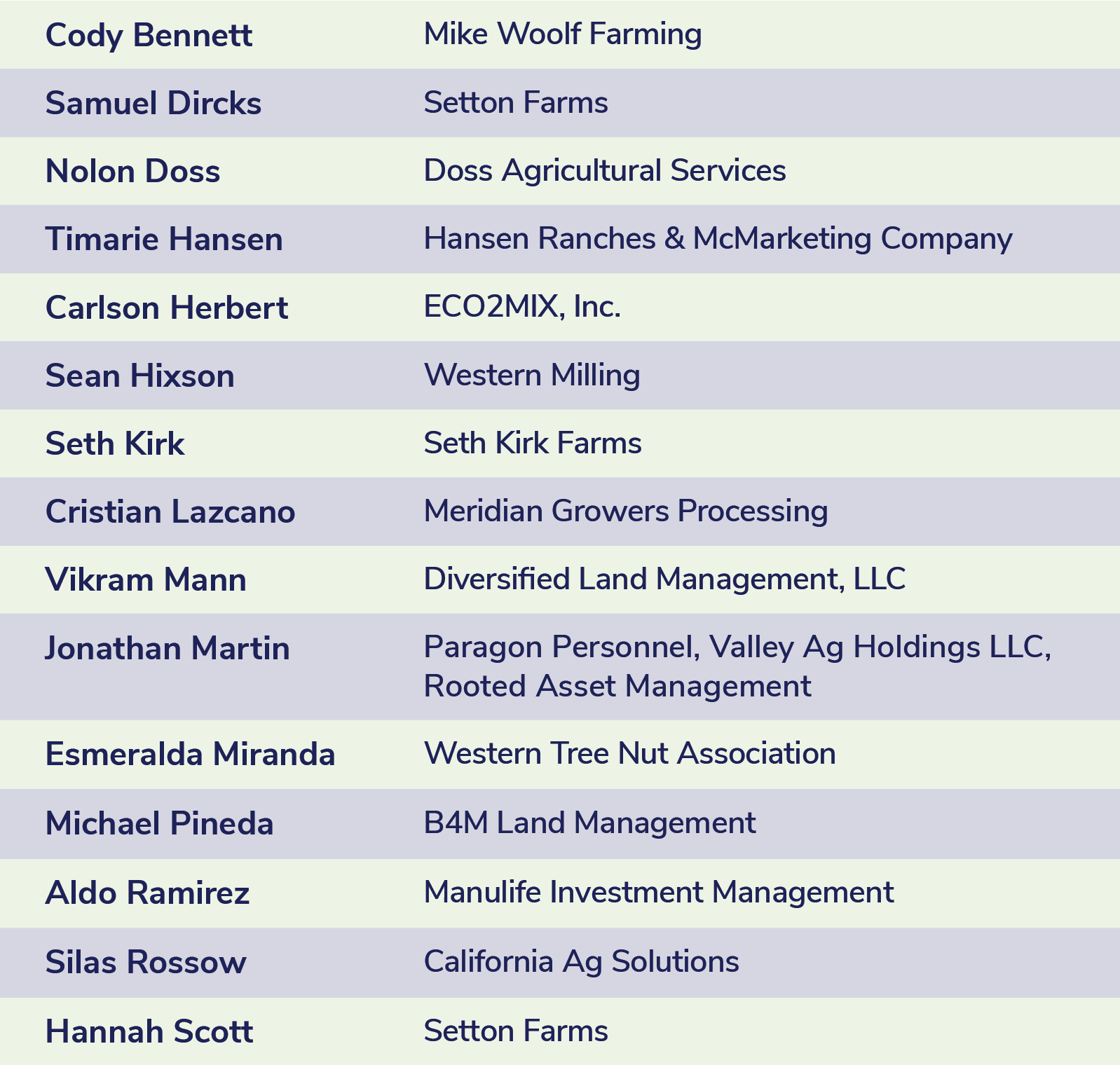
After a year of hands-on learning in the pistachio industry, the 2025 LeadOn class concluded their journey with graduation at the Pistachio Industry Annual Conference in Indian Wells, CA. Throughout the year, participants explored a wide range of topics—from marketing and nutrition to government relations and on-farm production—while also traveling to the state capitol to gain a firsthand look at how agricultural policy impacts the pistachio industry. Now, as graduates of the program, they are prepared to step into leadership opportunities in the pistachio industry within the American Pistachio Growers organization. Congratulations, Class of 2025!

Pistachio Industry Insights Day Returns Friday, July 24 at the Visalia Convention Center
This one-day program is designed to deliver timely updates, practical information, and fresh perspectives on the issues and opportunities shaping pistachio production today.
Attendees can expect engaging speakers, current industry updates, and valuable takeaways to support informed decision-making across the pistachio business.
Registration will open in early May, along with expanded sponsorship and exhibitor opportunities for companies interested in engaging directly with pistachio growers and key decision-makers.
Additional details will be shared soon.

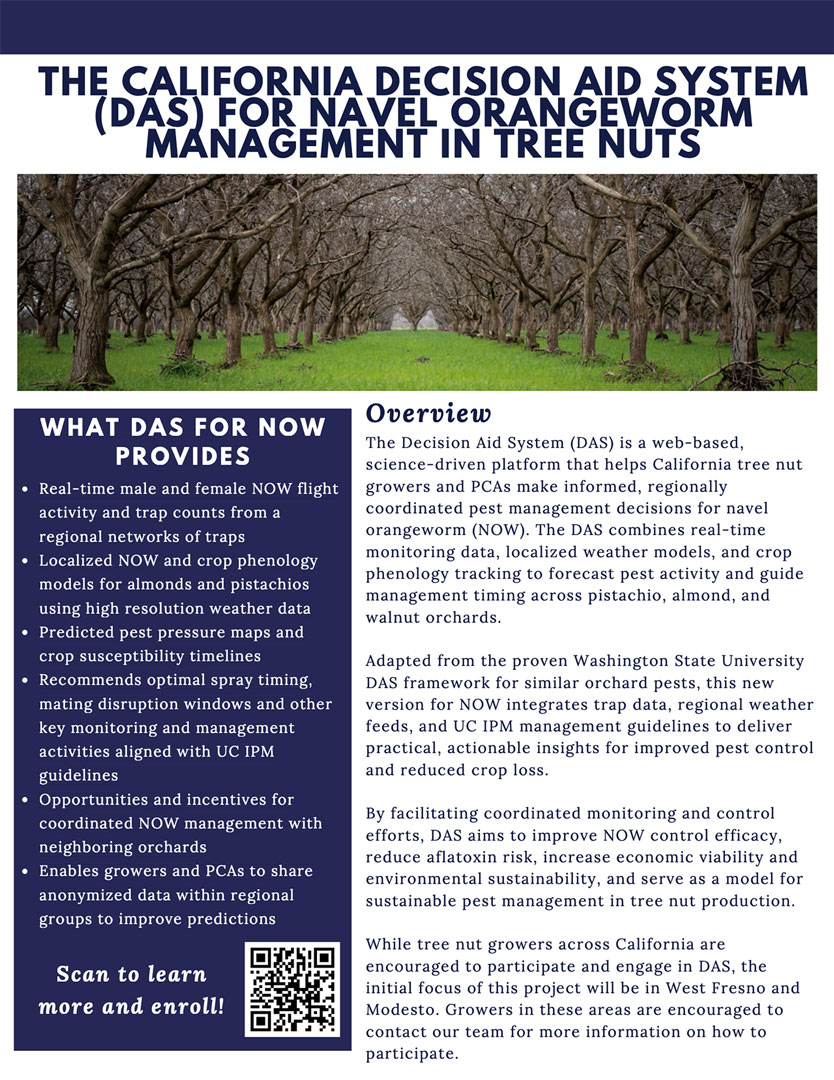
Join a regional NOW monitoring effort using DAS, smart traps, and anonymized data-sharing. Growers in eligible regions can participate in a UC Riverside / Washington State University Decision Aid System (DAS) project that uses automated smart traps to refine NOW timing and regional movement insights.
Participation includes streamlined sharing of:
Growers receive:
This program improves spray timing and strengthens regional understanding of NOW behavior.
Precision agriculture is often framed as a conversation about new technology—drones, sensors, mapping software and automated equipment. But at its core, precision agriculture is not about technology. It is about management.
The principle is simple: identify variability, measure it accurately and manage it intentionally. When those steps are done well, profitability follows. For decades, many orchards have been managed using soil samples pulled from one or two locations and treated as representative of the entire ranch. In reality, the likelihood that one or two samples accurately represent a large orchard block is extremely low.
Soils vary dramatically across short distances. Texture changes. Nutrient levels shift. Salinity and sodium problems appear in isolated zones. Yet management decisions are often based on a single point of information. When that happens, inefficiency is almost guaranteed. Some areas receive more inputs than they need while others remain constrained by deficiencies. Either way, money is being left on the table.
Precision agriculture begins by acknowledging that variability exists and measuring it across the entire field.
Seeing Variability Across the Orchard
Modern tools are making it easier than ever to understand variability within orchards. High-resolution soil mapping, digital soil core sampling and other sensing technologies allow growers to generate detailed maps of soil chemistry, texture and productivity zones.
When these layers are combined, growers create a digital picture of their orchard that reveals where constraints are limiting productivity. Once variability becomes visible, management decisions become far more intentional—and often far more profitable.
Correcting Sodicity Issues with Gypsum
One pistachio orchard example illustrates how costly variability can become when it goes undetected. Historically, the grower applied gypsum at a standard rate of one ton per acre, costing about $100 per acre. Soil mapping later revealed significant sodium issues in portions of the orchard, reflected in elevated SAR (sodium adsorption ratio) levels that severely restricted water infiltration.
In these areas, soils had become nearly impenetrable. Trees struggled to take up water, leaves dropped prematurely and yields declined by roughly 1,000 pounds per acre. Split percentages also fell by about 25%. That yield loss equated to approximately $622 per acre in lost revenue.
To correct the issue, gypsum rates were adjusted across the orchard according to mapped conditions. Some zones required as much as six tons per acre, others five or three tons, while healthier areas required only half a ton. The resulting field average rose to 2.7 tons per acre, requiring an additional $170 per acre investment compared to the original program.
That added cost was necessary to reclaim the $622 per acre previously being lost to sodium-related soil conditions. With proper amendment, these conditions can typically be corrected within one or two seasons.
Reducing Unnecessary Sulfur Application Rates
Precision agriculture does not always mean applying more inputs. In many cases, it reveals opportunities to reduce spending. One orchard example involved Tiger 90 sulfur used for pH management. The traditional grower program called for 400 pounds per acre, costing $152 per acre. Once the orchard was mapped, the average requirement across the field was only 172 pounds per acre, reducing the cost to $67 per acre.
That adjustment saved $85 per acre simply by applying the right rate in the right place—one of the core principles of the 4Rs of nutrient management. Additional return may also occur where previously under-supplied areas receive adequate nutrients.
Optimizing Potassium Inputs
A similar opportunity appeared when potassium fertility was evaluated. The traditional program applied 300 pounds per acre of sulfate of potash (0-0-50) at roughly $1,000 per ton, equating to $150 per acre. After mapping the orchard, variable-rate recommendations averaged 227 pounds per acre, lowering the cost to $113.75 per acre.
This adjustment saved about $36 per acre in fertilizer cost alone, with additional potential return where previously under-supplied areas receive adequate nutrients.
Precision Without Specialized Equipment
Precision agriculture does not require specialized variable-rate equipment to deliver value. Better information alone can improve management decisions. Spatial data can refine irrigation strategies, guide nitrogen fertility decisions, identify irrigation system problems and reveal linear patterns indicating distribution issues or mechanical failures. Correcting these problems can generate significant returns.
Even when equipment limitations prevent full variable-rate application, understanding orchard variability still allows growers to manage more effectively.
Precision as a Management Mindset
Ultimately, precision agriculture represents a shift in how growers think about managing orchards. The idea that two soil samples taken from opposite corners of a ranch can represent hundreds of acres is unrealistic. Yet that assumption has guided management decisions for decades. When variability is ignored, growers are effectively guaranteeing that inputs are not optimized.
Precision agriculture challenges that assumption. By measuring orchards more completely and managing inputs where they matter most, growers can align spending with real field conditions.
The variability already exists in every orchard. The opportunity is to manage it with precision—and capture the profitability that comes with it.
Joe Coelho
Director of Sustainability & Member Outreach
jcoelho@americanpistachios.org
If you’re a grower considering advanced mapping of your ranches, give me a call, as I have several great mapping deals available.
Pistachio growers today face a difficult reality. Pest management remains essential to producing high-quality crops, yet the cost of pest control continues to rise while regulatory pressure on pesticide use increases. California’s Sustainable Pest Management (SPM) roadmap and the ongoing loss of certain active ingredients mean growers must begin thinking about how pest control is applied—not just what products are used.
For this reason, the American Pistachio Growers (APG) sustainability program has focused heavily on evaluating sustainable spray technologies that improve application precision while maintaining pest control efficacy. The objective is simple: identify technologies that reduce chemical use, lower operating costs, and help growers remain profitable while adapting to the regulatory environment ahead.
Several technologies were evaluated through demonstration trials conducted on commercial orchards in collaboration with growers, equipment manufacturers, and USDA-ARS researchers. These included Smart Apply® LiDAR-guided sprayers, electrostatic spray systems, WeedSeeker 2® see-and-spray herbicide technology, and preliminary demonstrations of autonomous tractor platforms.
Smart Apply® technology uses LiDAR sensors (Image 1.) mounted on a sprayer to detect the presence and density of tree canopy in real time. Instead of spraying continuously across the row, individual nozzles turn on only when vegetation is detected. This means the sprayer is applying material only where it is needed.
Field trials were conducted in pistachio orchards ranging from second leaf through mature bearing blocks. Filter papers were placed at two heights within the canopy and analyzed through laboratory bioassays conducted by USDA-ARS researcher Dr. Joel Siegel to measure insecticide efficacy against navel orangeworm eggs and larvae. Applications were evaluated at 7, 14, and 21 days after treatment.
The results were striking. Smart Apply systems reduced pesticide use by 55–60% in mature orchards and by as much as 85–95% in young orchards (table 1), where canopy density is lower. Despite the large reductions in spray volume, no significant differences in insect control were observed between the Smart Apply treatments and conventional grower standard applications (data still incoming due to USDA furloughs).
For growers, the implication is clear: precision targeting can dramatically reduce chemical use without sacrificing efficacy. The work conducted by APG and USDA was honorably mentioned in the 2026 John Deere Annual Economic Impact Report.

Image 1. LiDAR system used by Smart Apply technology.
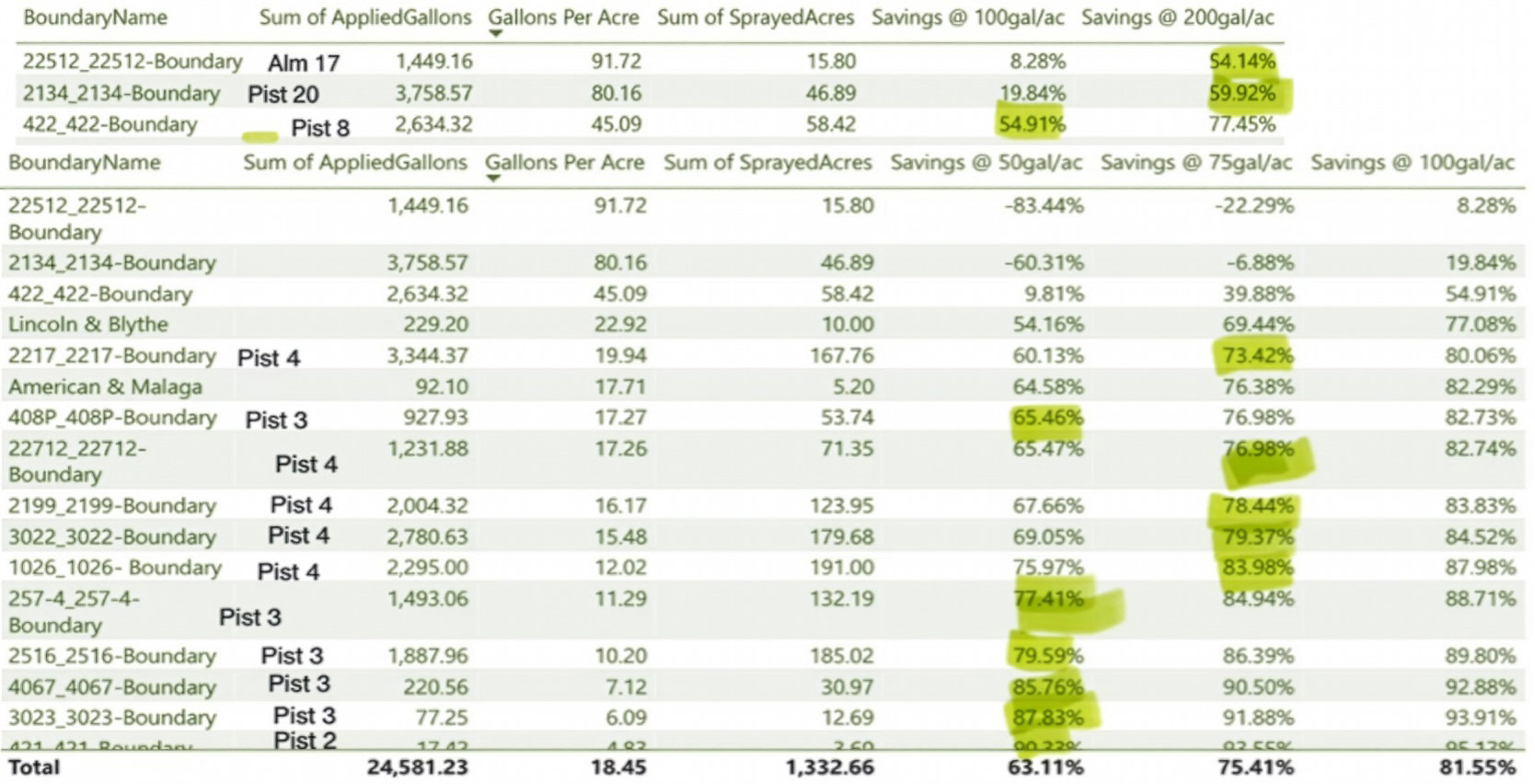
Table 1. Smart Apply spray reduction totals are highlighted.
Electrostatic spraying systems (image 2.) operate on a different principle. Rather than relying on high spray volumes to achieve coverage, the droplets are electrically charged as they exit the nozzle. This causes them to be attracted to plant surfaces and wrap around leaves and branches.
Trials were conducted in mature Golden Hills and Kerman orchards using electrostatic sprayers operating at approximately 30–50 gallons per acre, compared to conventional applications at approximately 200 gallons per acre. As with the Smart Apply trials, filter papers were used to measure deposition and evaluate insect mortality at multiple time intervals following application.
Results indicated that navel orangeworm control was comparable to conventional spray applications, though numerically slightly lower in some cases. However, the operational advantages were significant. Electrostatic sprayers were able to cover approximately 15 acres per tank load compared to roughly 3 acres for conventional rigs, dramatically reducing refill time, fuel use, and labor requirements.
These operational efficiencies alone can translate into substantial cost savings for growers managing large acreages.
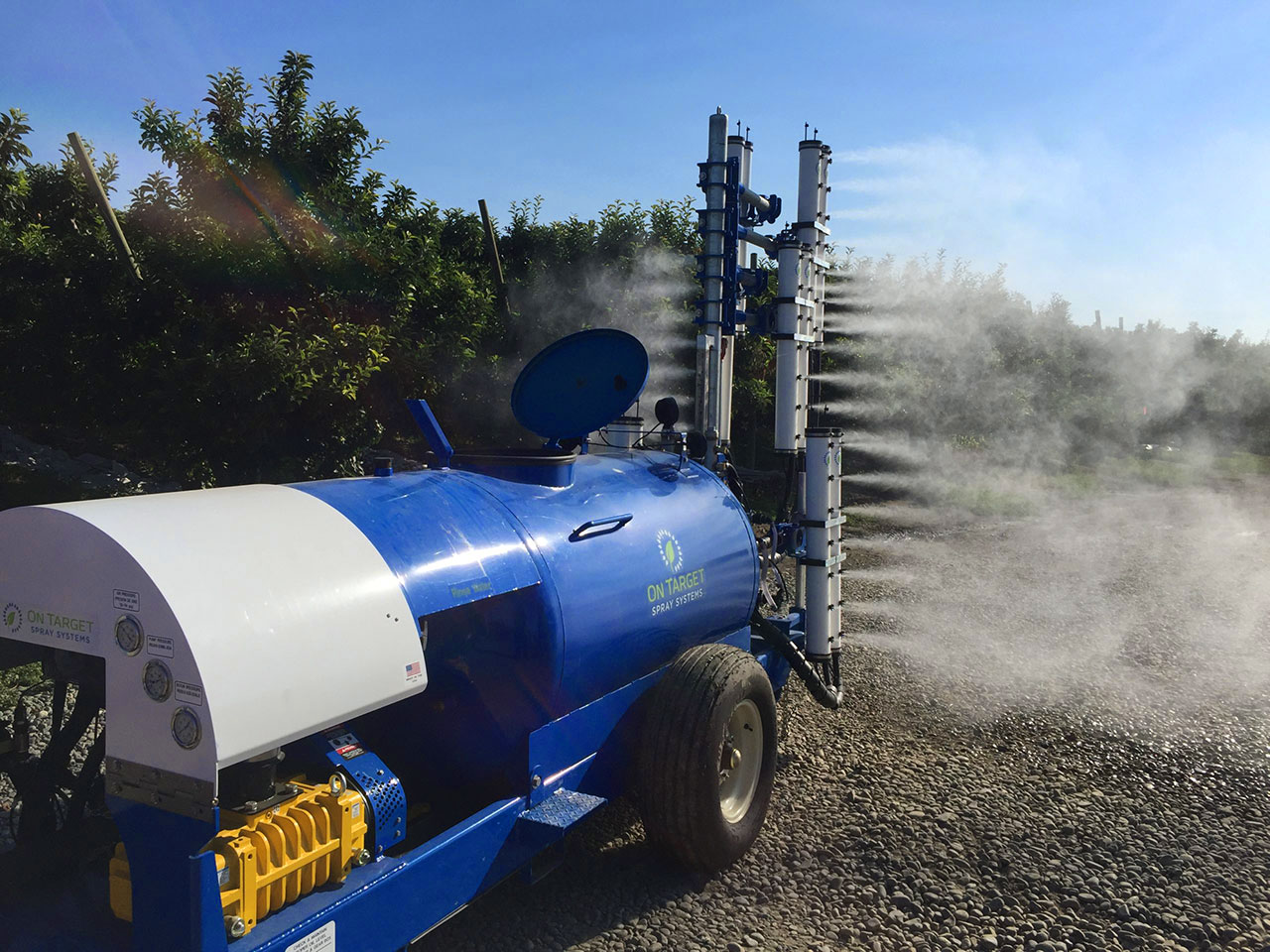
Image 2. On-Target electrostatic sprayer treating an orchard perimeter.
While insecticide applications represent a large portion of pest management costs, herbicides also contribute significantly to production expenses. WeedSeeker 2® (image 3) technology addresses this issue through optical sensors that detect chlorophyll in weeds and trigger spray nozzles only when vegetation is present.
Demonstrations were conducted across 17 orchards ranging from young plantings to mature blocks, with herbicide usage tracked before and after installation of the system. The equipment was typically operated at high sensitivity settings to ensure effective weed control.
Across the demonstration sites, herbicide reductions ranged from 30% to 80%, depending on orchard age, canopy coverage, and weed pressure. Average savings were estimated at approximately $11.78 per acre per application pass, while maintaining effective weed control (table 2).
For many growers, WeedSeeker technology has already demonstrated a relatively rapid return on investment due to reduced herbicide usage.
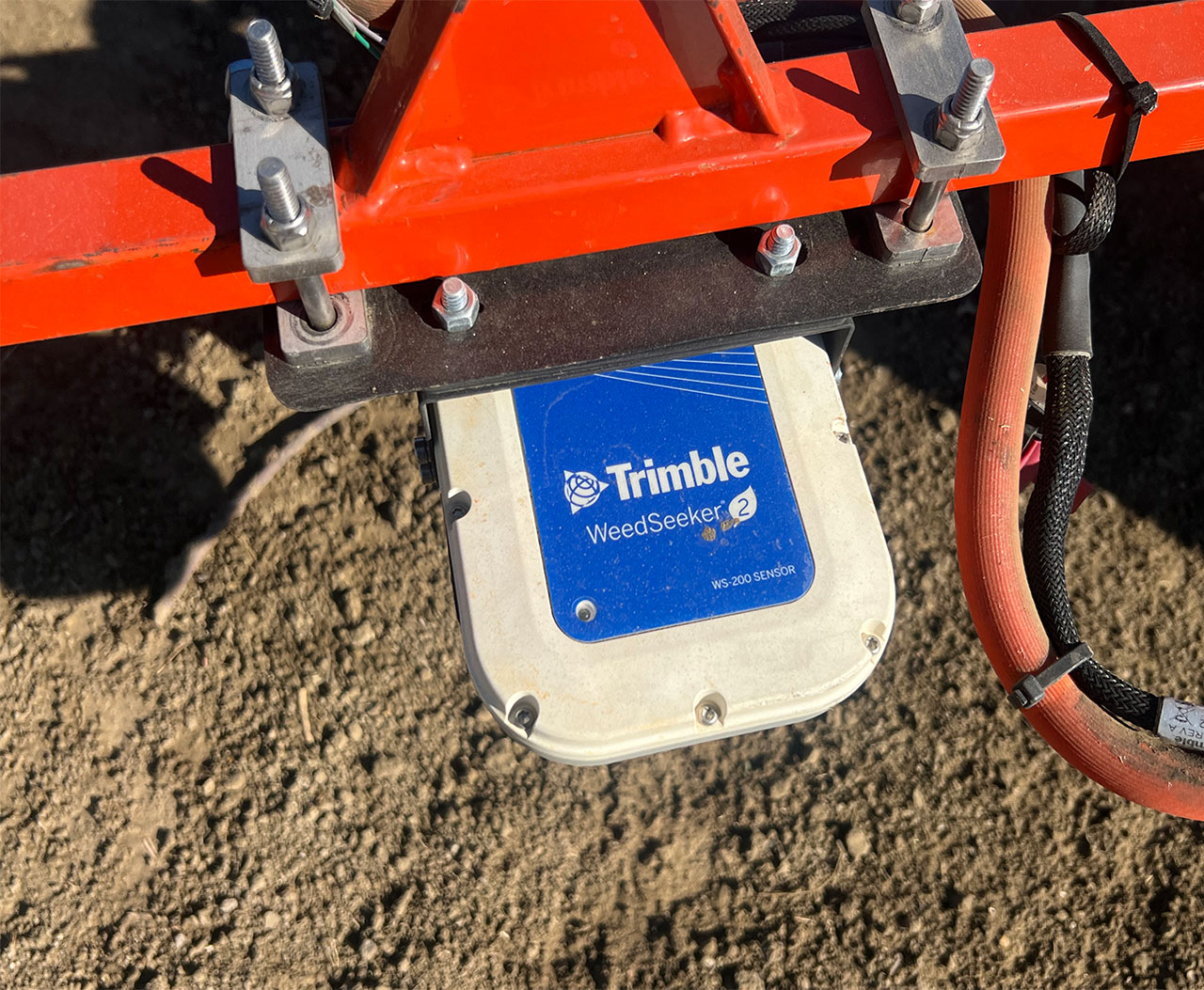
Image 3. Mounted Weedseeker 2® sensor on conventional herbicide rig.
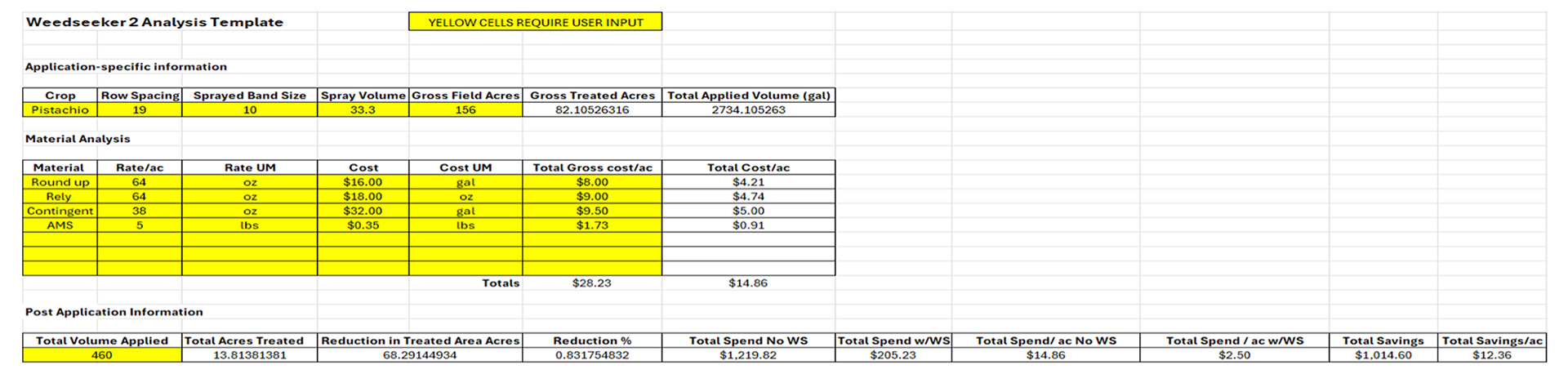
Table 2. Weedseeker 2® calculations template
APG also conducted preliminary demonstrations of an autonomous tractor platform developed by Kingman Ag (Video 1). These units were evaluated pulling an electrostatic sprayer rig in commercial orchard conditions.
Although formal data collection has not yet been completed, early observations suggest the potential for meaningful labor and fuel savings, with estimated operational cost reductions of $3–6 per acre depending on the application scenario. Additional trials are planned to further evaluate this technology.
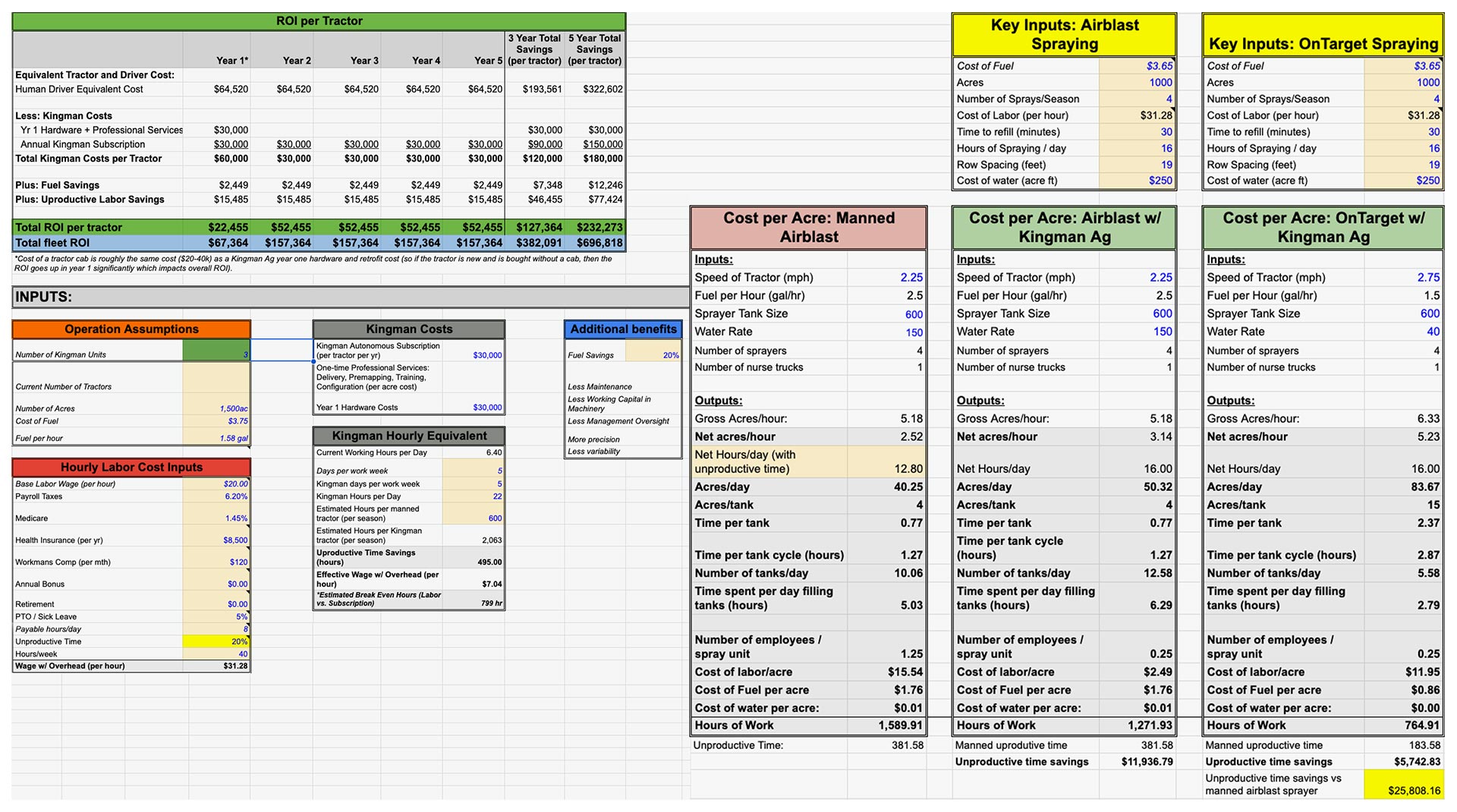
Estimated Operational Cost Reductions
Video 1. Kingman Ag Autonomous Platform.
The results from these demonstrations illustrate a broader point: improving application technology may be one of the most practical ways for growers to reduce pesticide use without sacrificing crop protection.
Precision spray systems reduce waste, lower operating costs, and improve environmental stewardship while keeping pest management effective. In many cases, these technologies provide a direct pathway for growers to adapt to California’s Sustainable Pest Management framework while preserving profitability.
APG’s role moving forward is to continue testing these technologies under real-world orchard conditions and helping growers understand both the economics and operational considerations of adoption. Sustainable farming is not achieved through ideology—it is achieved through tools that make farms more efficient, resilient, and profitable.
And increasingly, those tools are becoming available to pistachio growers.
American Pistachio Growers is offering a range of participation opportunities that help growers evaluate real solutions under real orchard conditions. These programs are designed to support better decision-making, improve operational efficiency, and strengthen both the economic and environmental sustainability of pistachio production. APG helps growers assess the value of new tools and technologies, connects them with the right partners, and provides support throughout the evaluation process.