In March, APG launched part 2 of the “Mr. STAC” campaign in Italy, evolving the role of American pistachios from a simple snack break, “stac,” into a versatile and positive companion throughout the day.
Through three new video spots and an integrated strategy spanning Disney+, Amazon Prime Video, Connected TV, social media, PR and influencer marketing, the campaign strengthened the brand’s visibility across multiple consumer touchpoints.

Over the four-week campaign period, it generated more than 2.4 million video impressions, reached over 1.25 million people on social media and drove more than 116,000 interactions.
Media relations activities further amplified the initiative, securing 18 media placements and reaching an audience of more than 750,000 readers. Meanwhile, the influencer marketing campaign—which involved the creation of four Instagram Reels by the four participating influencers—reached more than 933,000 impressions and 220,000 interactions.
In May, APG hosted an exclusive event for Italian journalists and influencers (15 journalists + 4 influencers) focused on Reformer Pilates and overall wellness. The initiative was designed to highlight the connection between physical activity, balanced nutrition, and the role of American pistachios as an ideal post-workout snack. Through an immersive environment that included an exclusive masterclass led by APG nutrition expert, Dr. Sara Cordara, participants enjoyed an engaging wellness experience and gained a deeper understanding of the value of American pistachios.
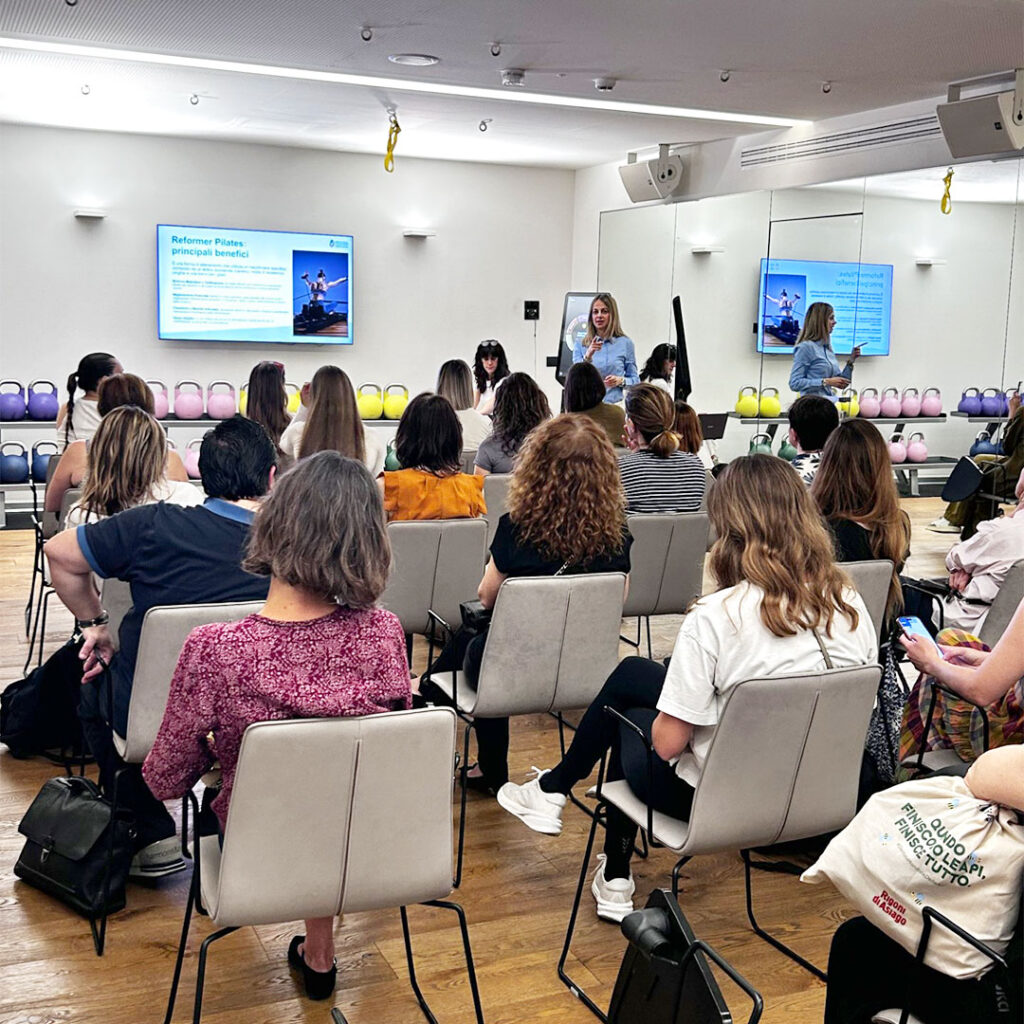

To date, the event has generated 15 placements on tier-1 media (wellness, women, food and consumer lifestyle media), reaching an audience of more than 66 million readers, with additional amplification through social media content shared by the influencers.
The influencer marketing campaign resulted in 5 spontaneous Instagram stories, as well as 4 Reels that reached more than 670,000 impressions and generated more than 100,000 engagements. This activation demonstrates how targeted, small-scale events can make a big impact by reaching target consumers.
One of American Pistachio Growers’ key marketing priorities is market development — identifying new export markets where American pistachios can gain stronger awareness, demand, and long-term opportunity.
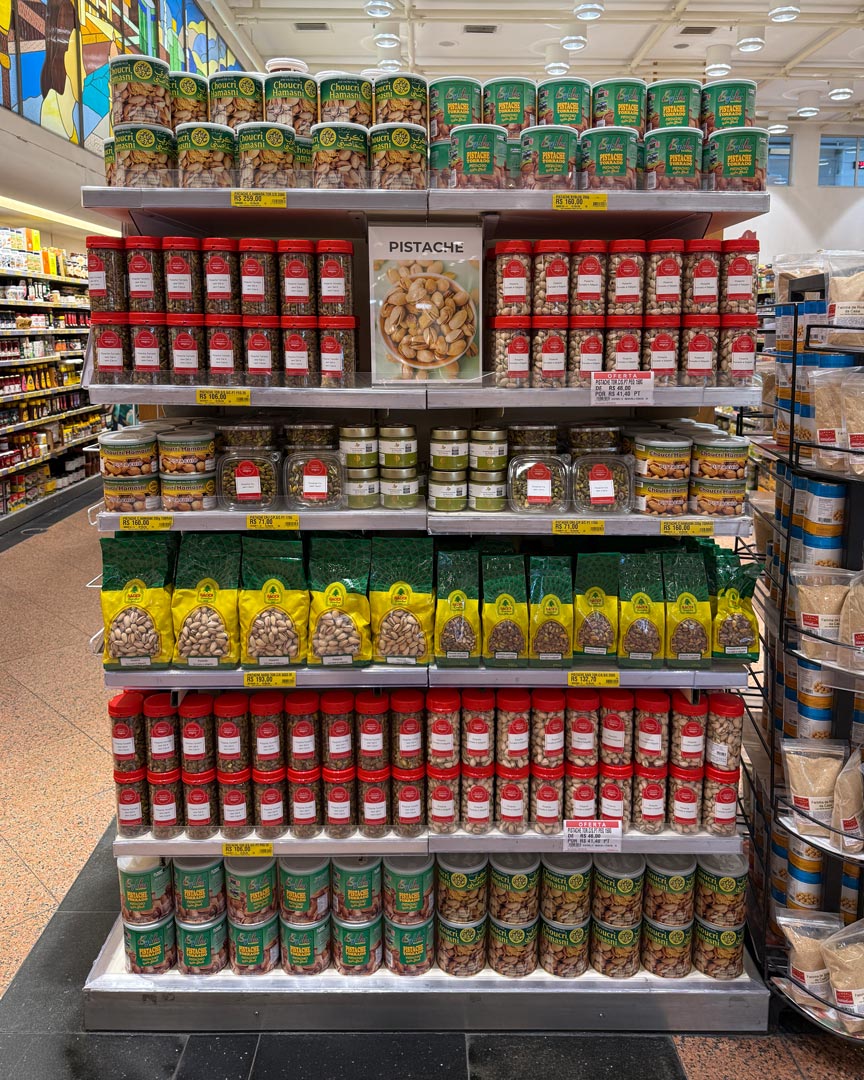
This fiscal year marks APG’s first year launching consumer and trade marketing programs in Brazil. To support this effort, the marketing team recently traveled to Brazil for a series of trade, retail, and market development activities designed to better understand opportunities for American pistachios in one of South America’s key food and beverage markets.
APG representatives visited São Paulo and Curitiba, where they participated in Anuga Select Brazil 2026, met with food industry professionals, conducted retail store checks, and visited companies involved in confectionery, food manufacturing, processing, product development, and foodservice.
Throughout the visit, APG gained valuable insight into how pistachios are currently positioned across the Brazilian market, from premium supermarkets and specialty food stores to broader retail formats.
Beyond retail, meetings with local companies showed encouraging interest in using pistachios in value-added products, such as chocolate, confectionery, and ice cream, as well as in snacking and other foodservice applications. These conversations reinforced the opportunity to introduce Brazilian consumers to American pistachios in both familiar and innovative formats.
The visit also helped identify important market considerations, including price sensitivity, product availability, and trade challenges that may impact broader category growth. While pistachios are often compared to other nuts, APG sees continued opportunity to build stronger awareness around American pistachios through education, relationship building, product inspiration, and future trade activities.
Overall, the Brazil visit provided APG with a deeper understanding of the current market landscape and helped strengthen relationships with companies and industry partners that may support future growth for American pistachios in Brazil.
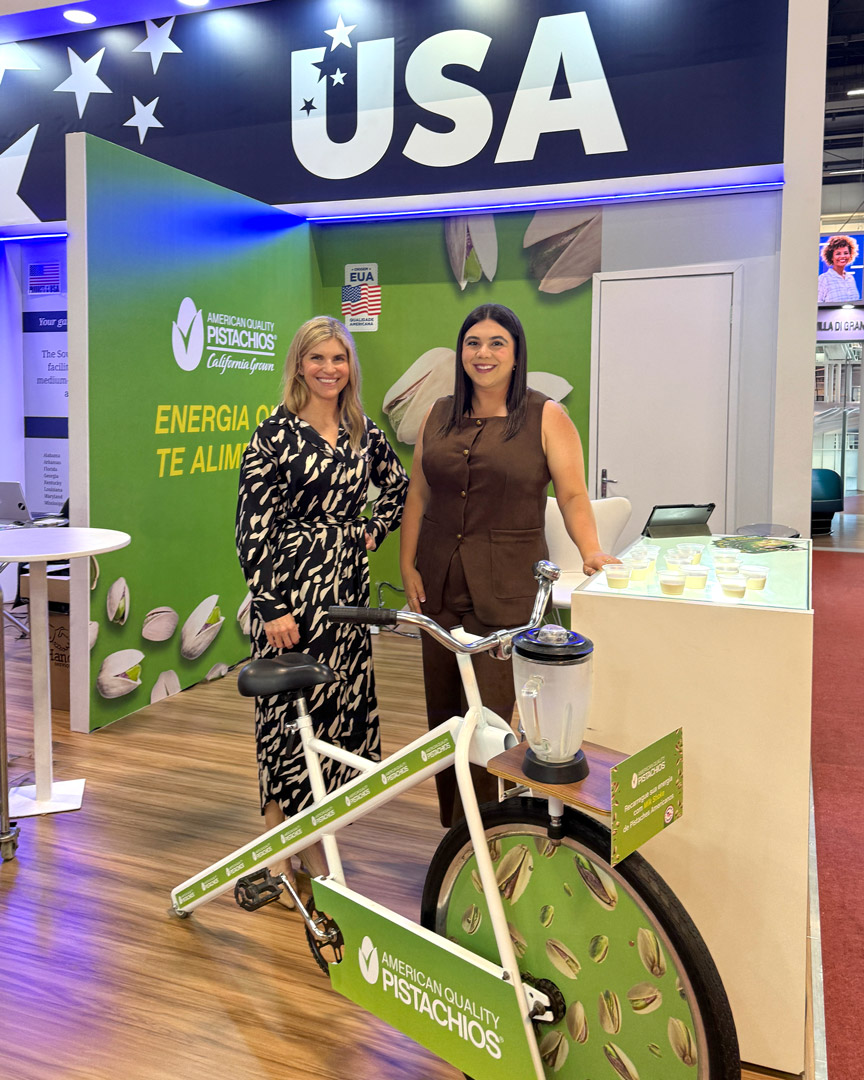
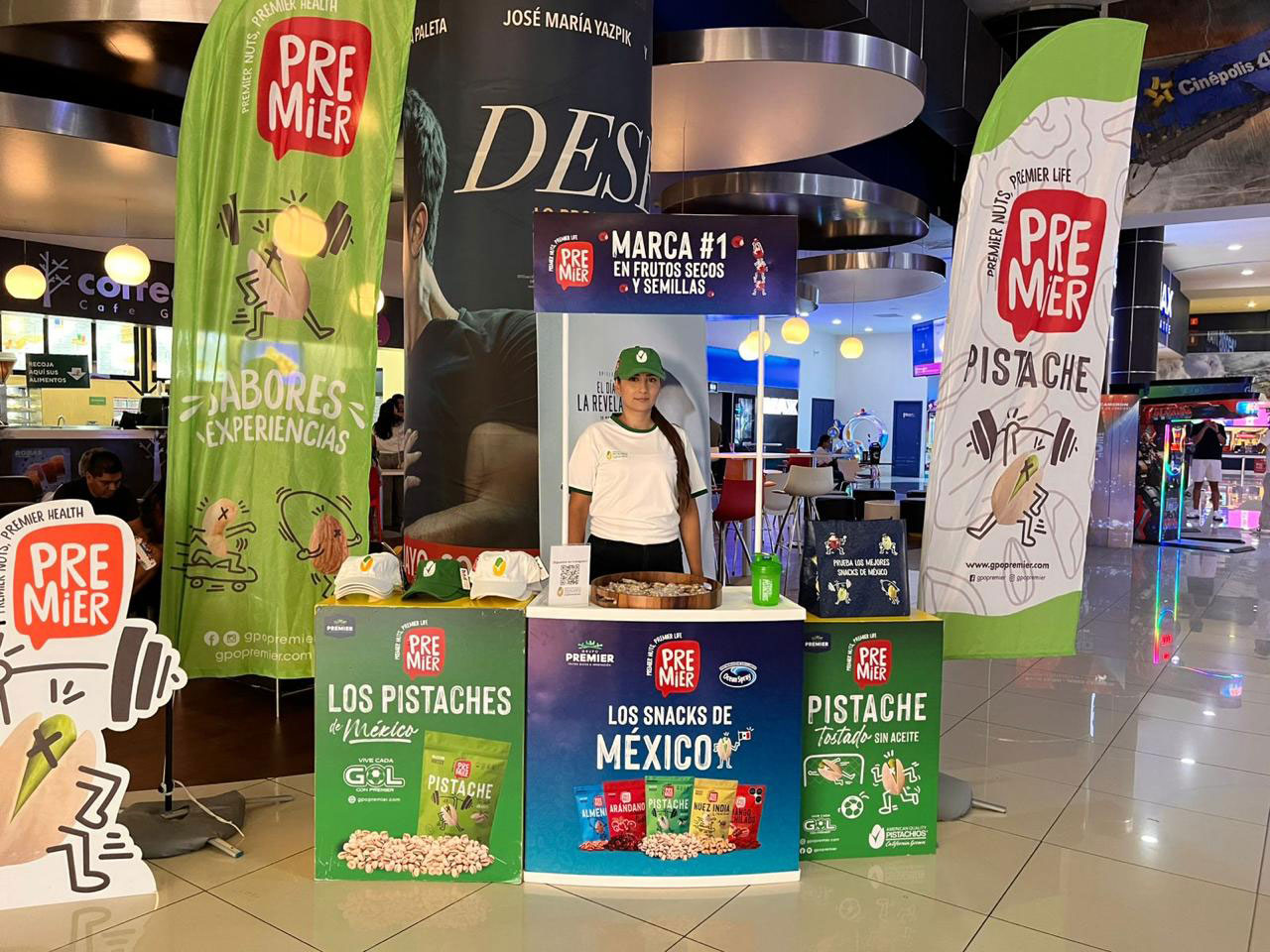
American Pistachio Growers is tapping into the excitement of the World Cup to keep American pistachios visible and relevant with consumers in key international markets, including China, Mexico and Brazil. These activations are designed to drive product trial, build awareness and position American pistachios as a nutritious, versatile and convenient snack for game-day moments, active lifestyles and social gatherings.
In China, American Quality Pistachios will host two World Cup viewing events in July, including a quarter-final viewing party in Beijing and a final viewing party in Guangzhou. Through a partnership with Football Weekly, the events will bring together fans for live commentary, appearances from soccer personalities, branded displays, interactive fan engagement and, of course, pistachio sampling. Pistachios will also be incorporated into food and beverage offerings, with messaging focused on sports nutrition, recovery and everyday active consumers.
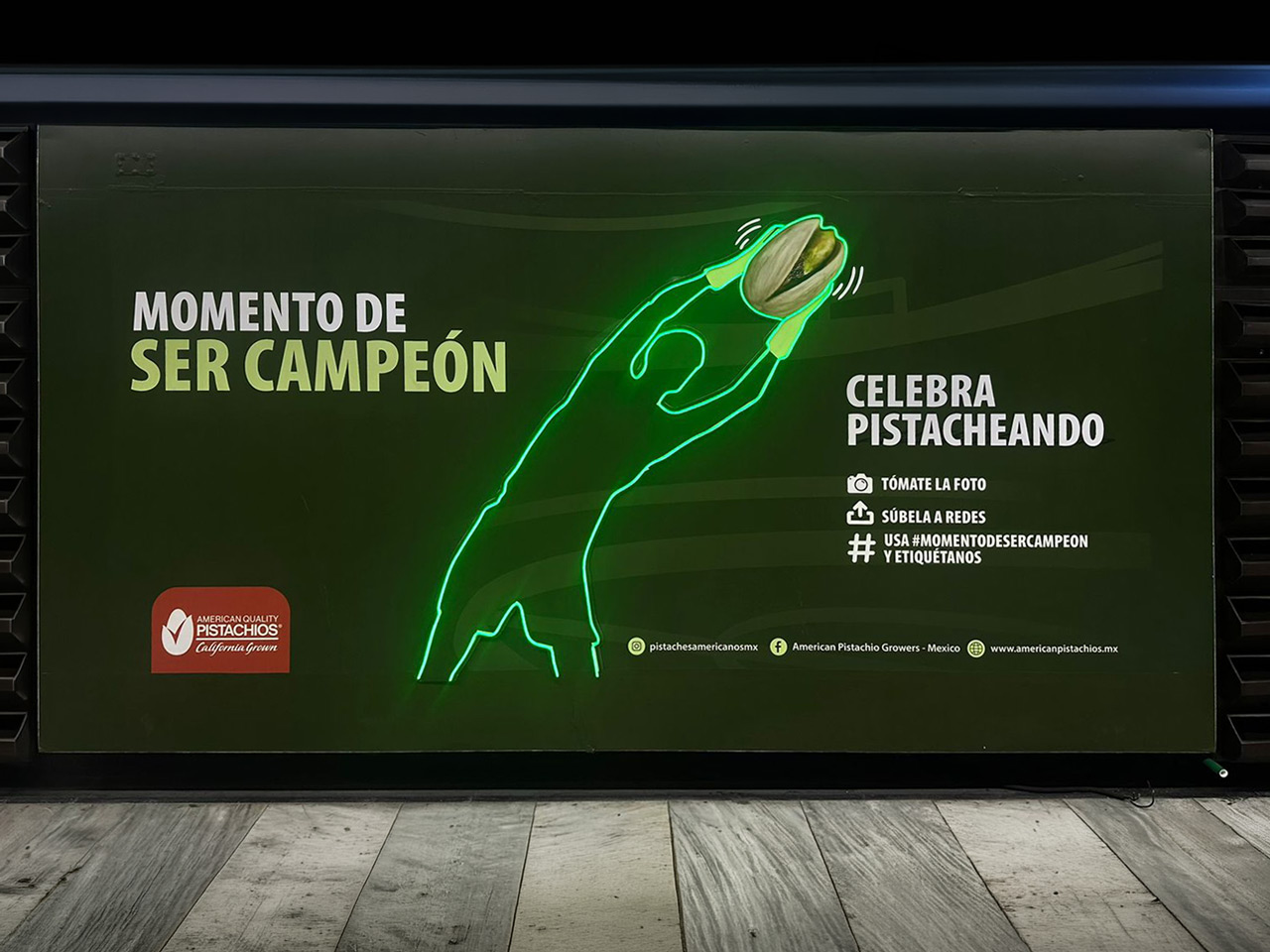
As one of the host countries for the World Cup, Mexico offers a strong opportunity to connect American pistachios with soccer fans and game-day snacking. American Quality Pistachios is supporting a wide range of consumer-facing activities, including campaigns with Cinépolis, a movie theater chain hosting World Cup watch parties; sampling programs with retailers such as HEB, Costco and Mister Alimentos; and nutrition-focused content across highly visible digital platforms. APG is also partnering with influencers and media outlets to showcase pistachios through recipes and game-day snack ideas.
The APG team is especially excited about the robust print advertising campaign across Mexico City and Guadalajara’s transit systems, including 11 advertising placements across four subway lines over three months, generating more than 5 million impressions to date. Together, these efforts reinforce key campaign messages around pistachios as an everyday snack for well-being, energy, and active lifestyles.
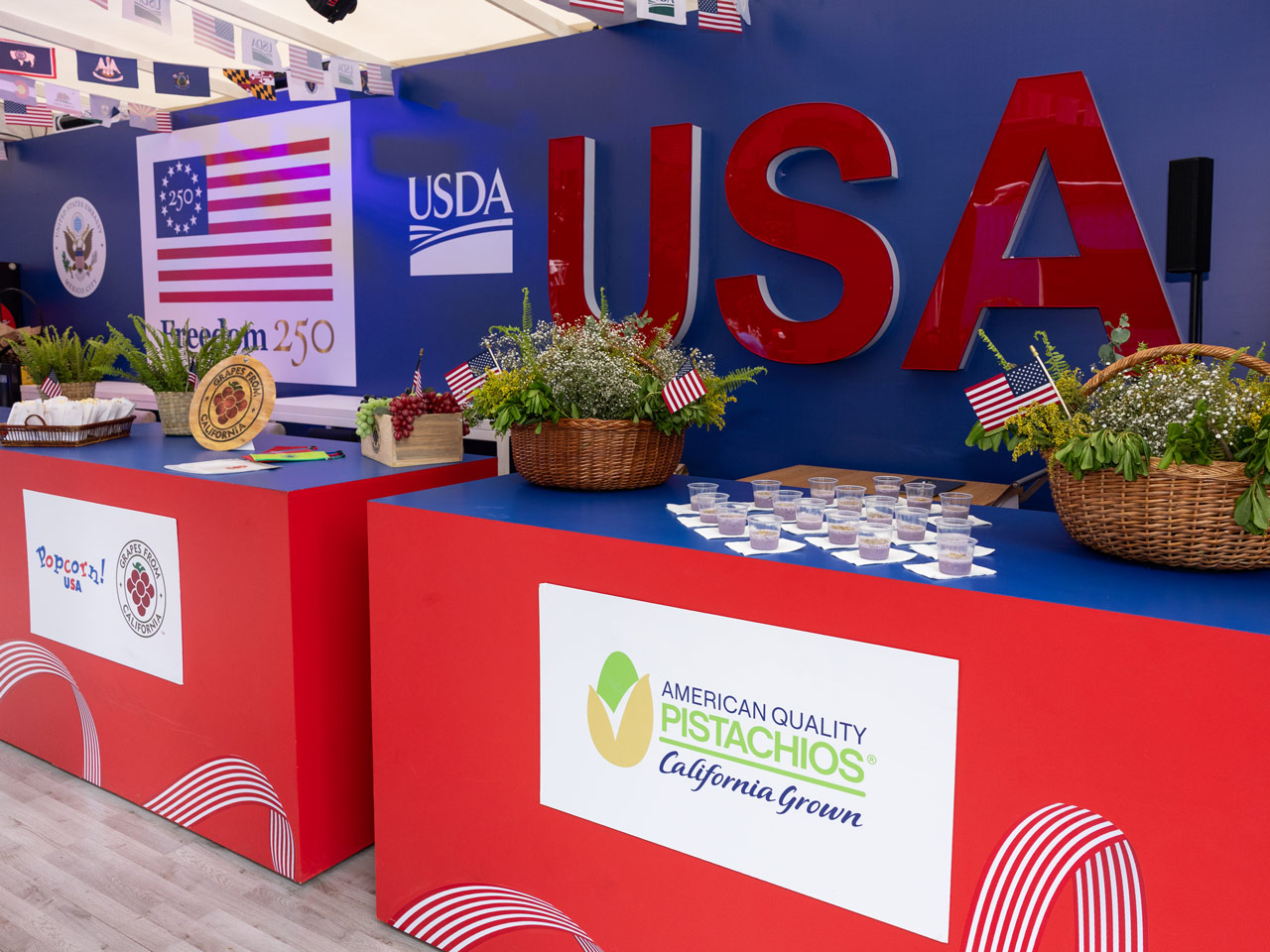
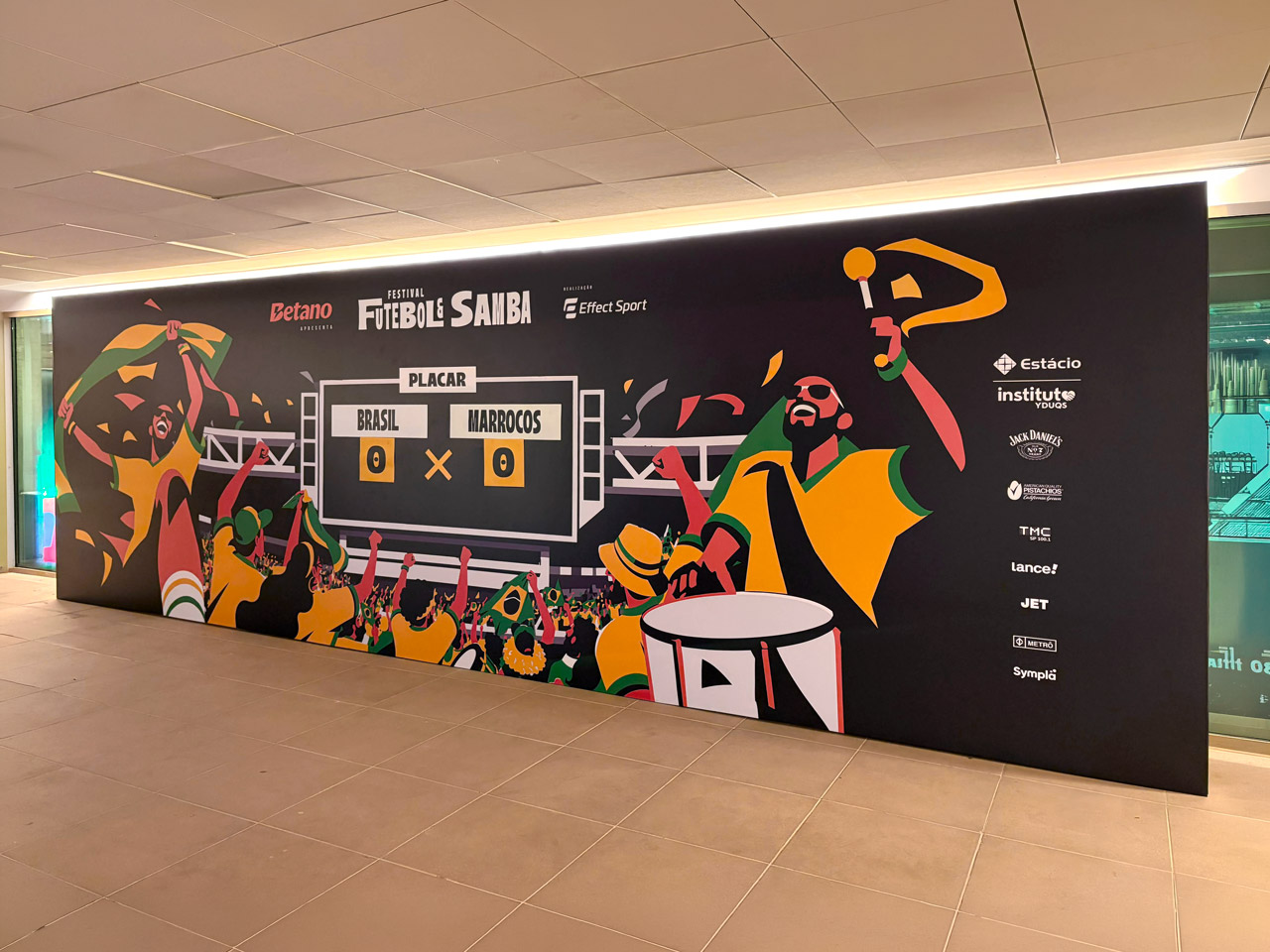
In Brazil, APG participated in the Soccer & Samba Festival in São Paulo, a large-scale fan experience centered around Brazil’s World Cup matches. The event brought together soccer fans through live match viewing, music, samba performances, food and beverage experiences and sponsor activations. APG’s presence focused on product sampling, branded visibility and direct consumer engagement within the event’s VIP hospitality areas. Attendees received pistachio samples and branded giveaways, while APG gained additional visibility through digital screens, event signage and announcements as an official event supporter.
Together, these activations support APG’s broader international marketing strategy by connecting with consumers during culturally relevant moments, encouraging product trial and strengthening awareness of American pistachios in priority markets around the world.
American Pistachio Growers continues to elevate the nutritional benefits of pistachios among key health professional audiences and in consumer media. Through scientific engagement, research promotion, and strategic public relations efforts, we’re helping strengthen pistachios’ position as a nutrient-dense food that supports health and wellness.
June 17–19, 2026 | Fort Lauderdale, FL
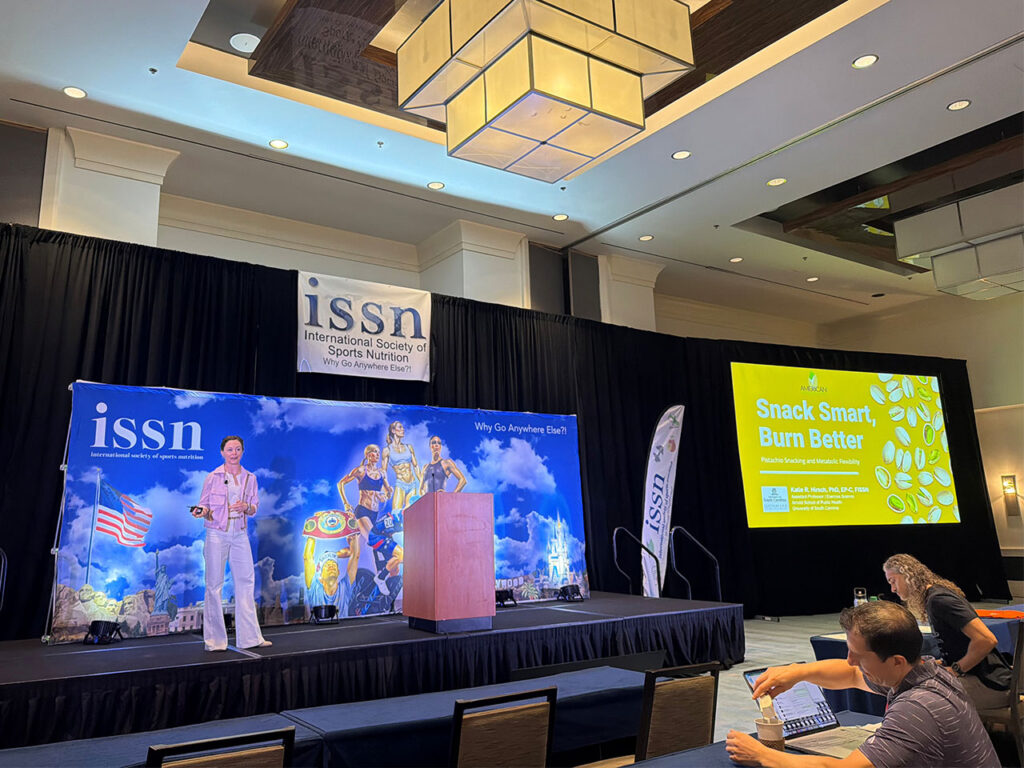
APG sponsored researcher Katie Hirsch, PhD, EP-C, CISSN to present a preview of her latest study examining the impact of pistachio consumption on physical activity outcomes among middle-aged women. Through both her presentation and APG’s exhibit booth, we connected with approximately 300 professionals, including registered dietitians, personal trainers, researchers, graduate students, and sports nutrition experts.
These interactions help build awareness of emerging pistachio research and foster relationships with influential health professionals who can help share science-based nutrition information with consumers.
June 15–18, 2026 | Baltimore, MD
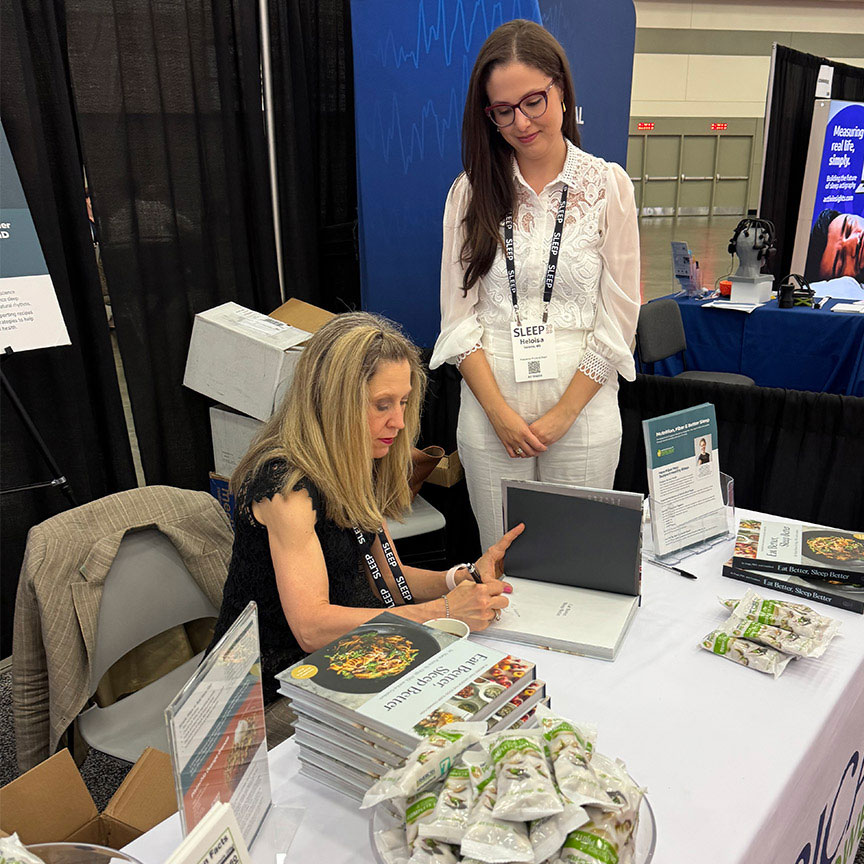
APG exhibited at SLEEP 2026, the premier conference for sleep health professionals, reaching an audience of more than 6,000 experts from around the world. Our team highlighted the growing body of research connecting nutrition and sleep health, including studies demonstrating pistachios’ unique nutritional profile and potential role in supporting healthy sleep.
Scientific Advisory Board member and esteemed sleep researcher Marie-Pierre St-Onge, PhD, CCSH, FAHA, joined APG at the booth, helping engage attendees through discussions about nutrition and sleep science while distributing pistachio samples and copies of her cookbook, Eat Better, Sleep Better. The event provided valuable opportunities to strengthen relationships with leaders in sleep medicine and nutrition research.
APG’s public relations efforts continue to generate positive media coverage, helping bring pistachio nutrition messages to consumers through trusted health and wellness outlets.
Recent coverage included recognition by the Academy of Nutrition and Dietetics’ SmartBrief, which featured articles from Real Simple and Verywell Health reviewed by registered dietitians within APG’s media outreach network.


These placements help reinforce pistachios’ nutritional advantages and expand consumer awareness through credible, science-based media channels.
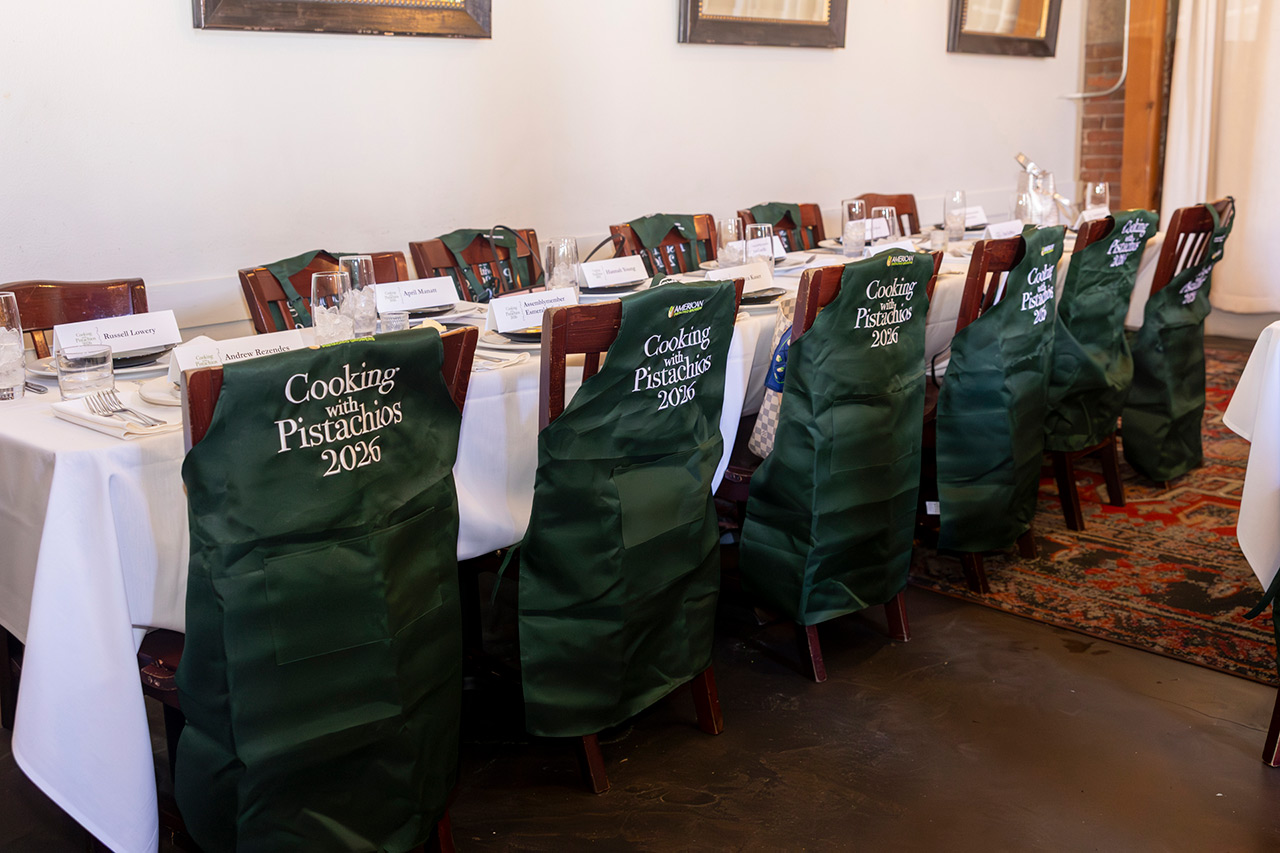
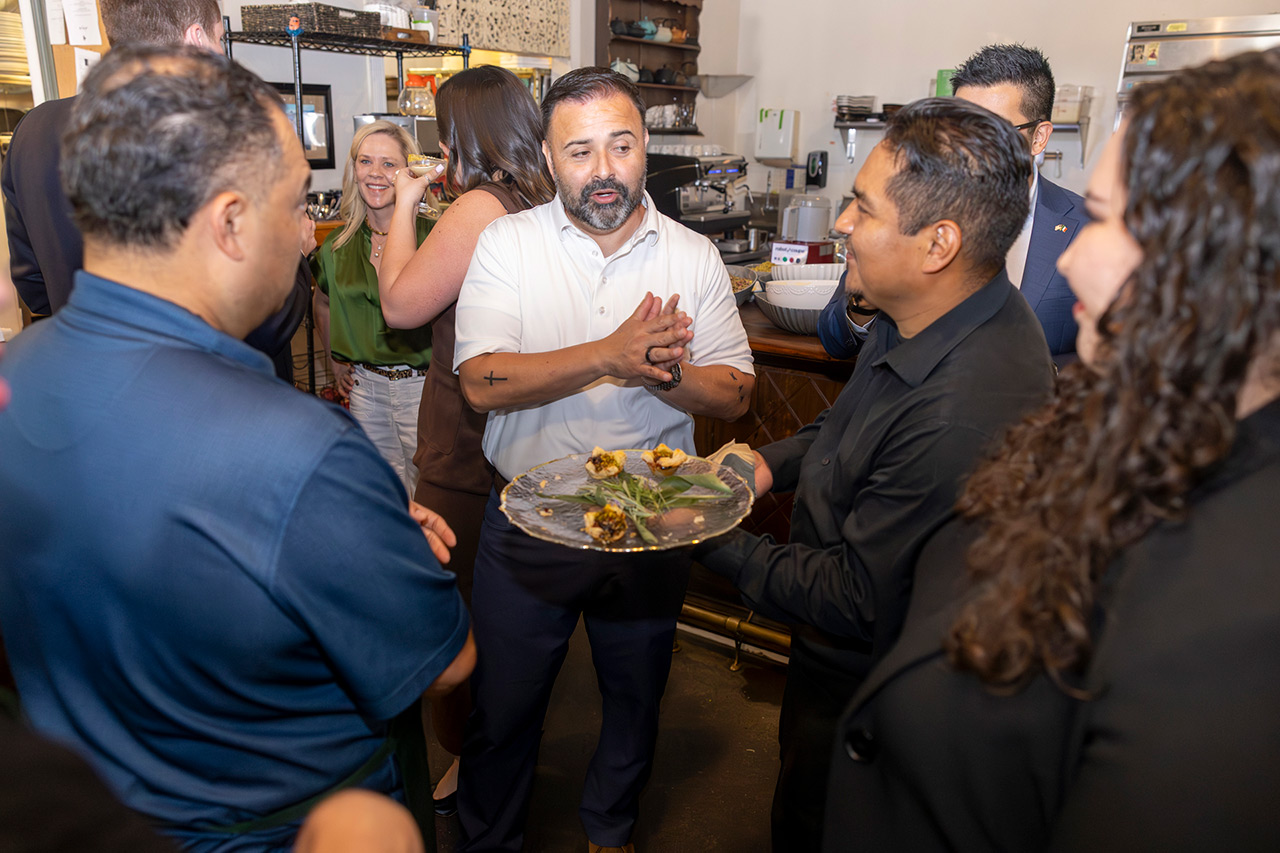
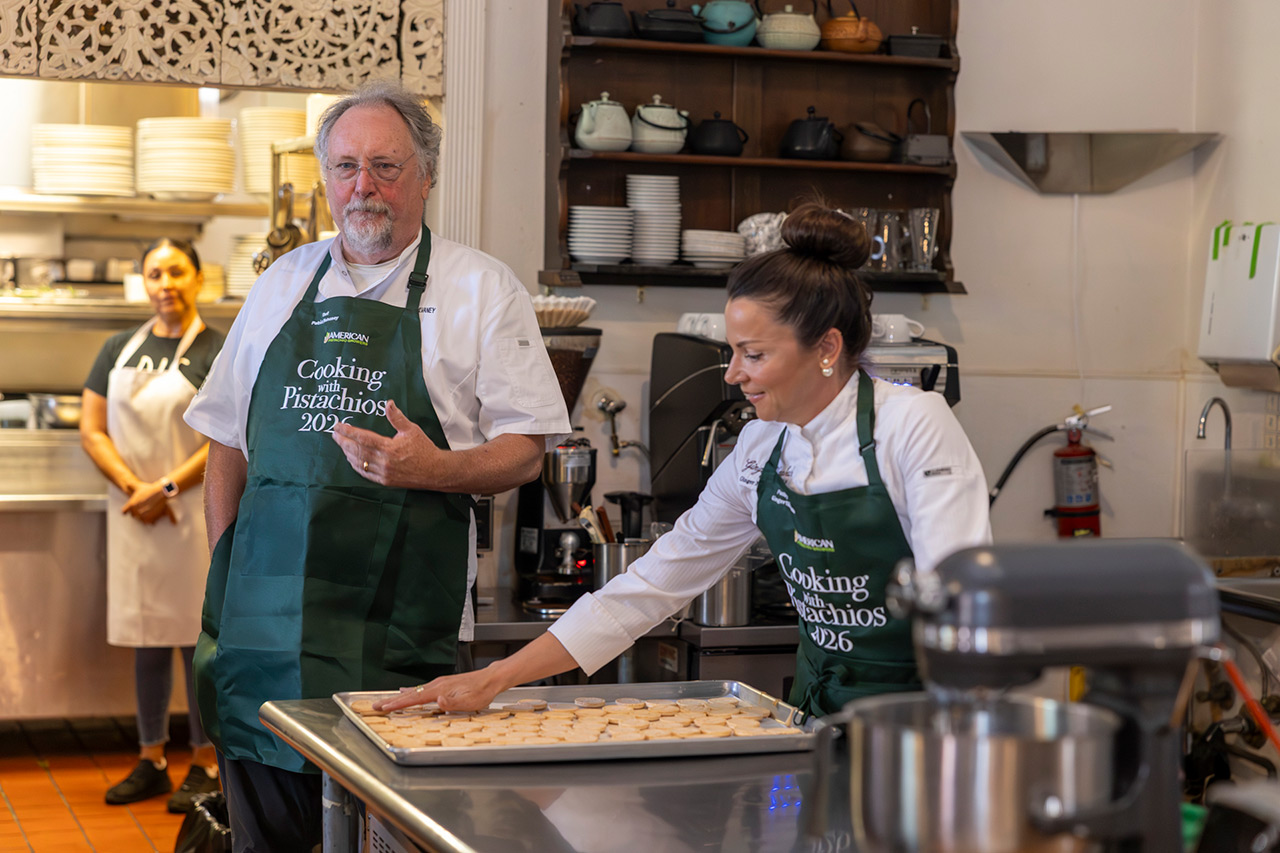
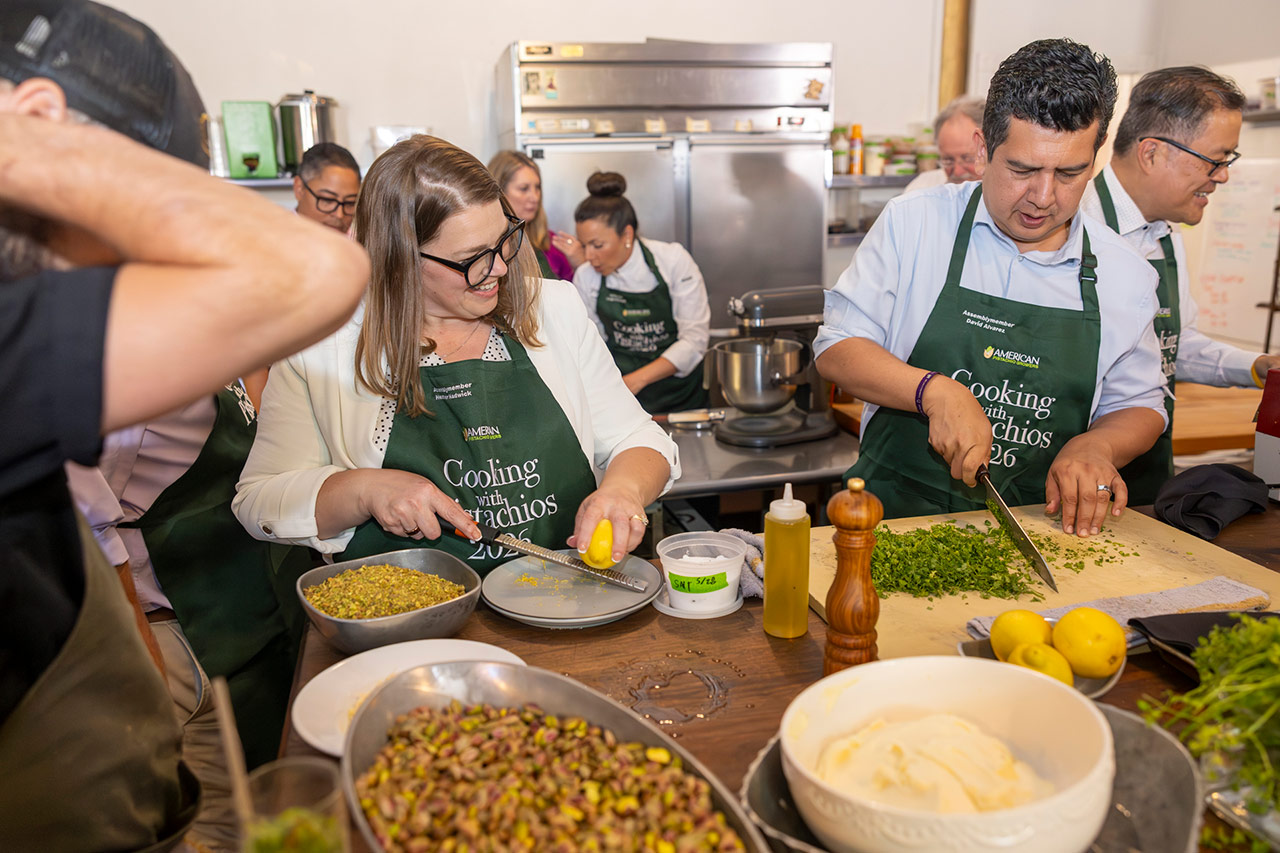
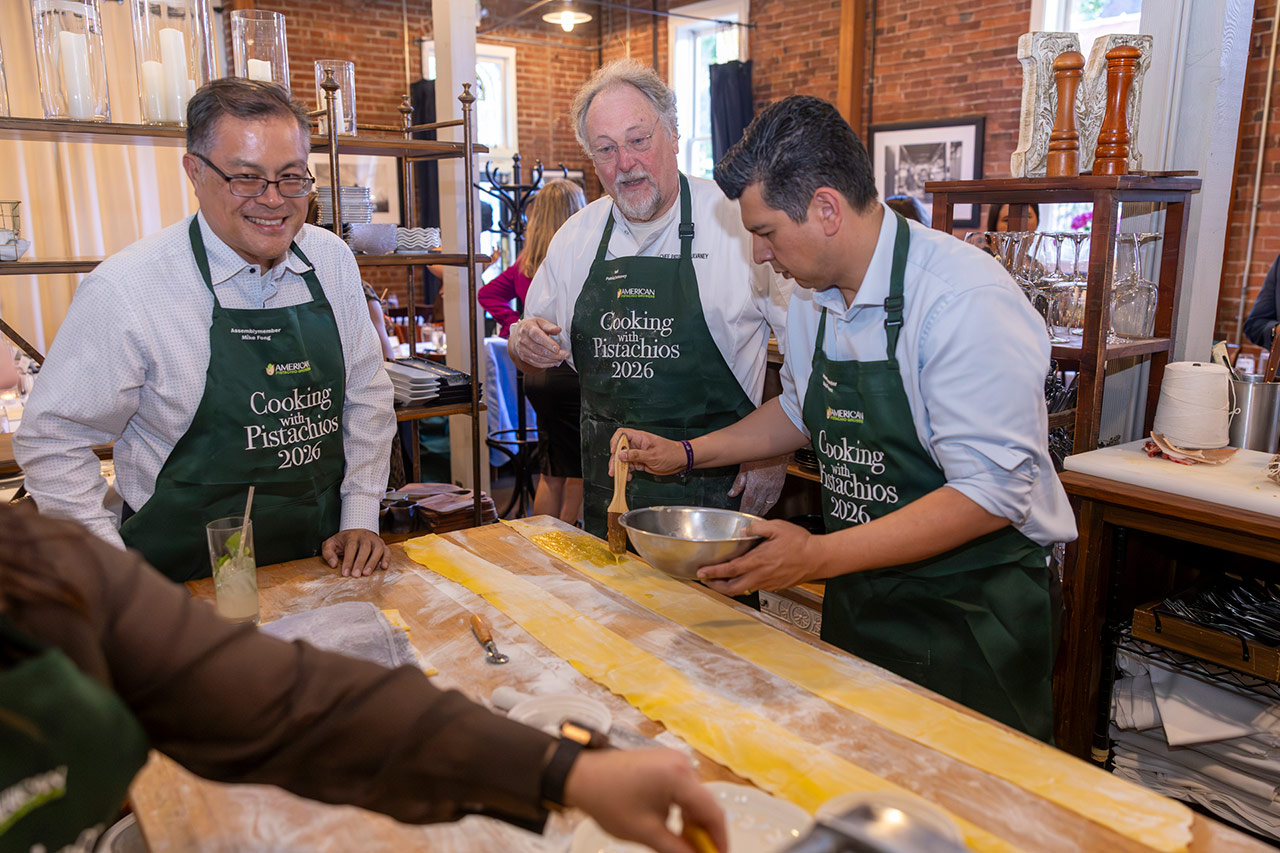
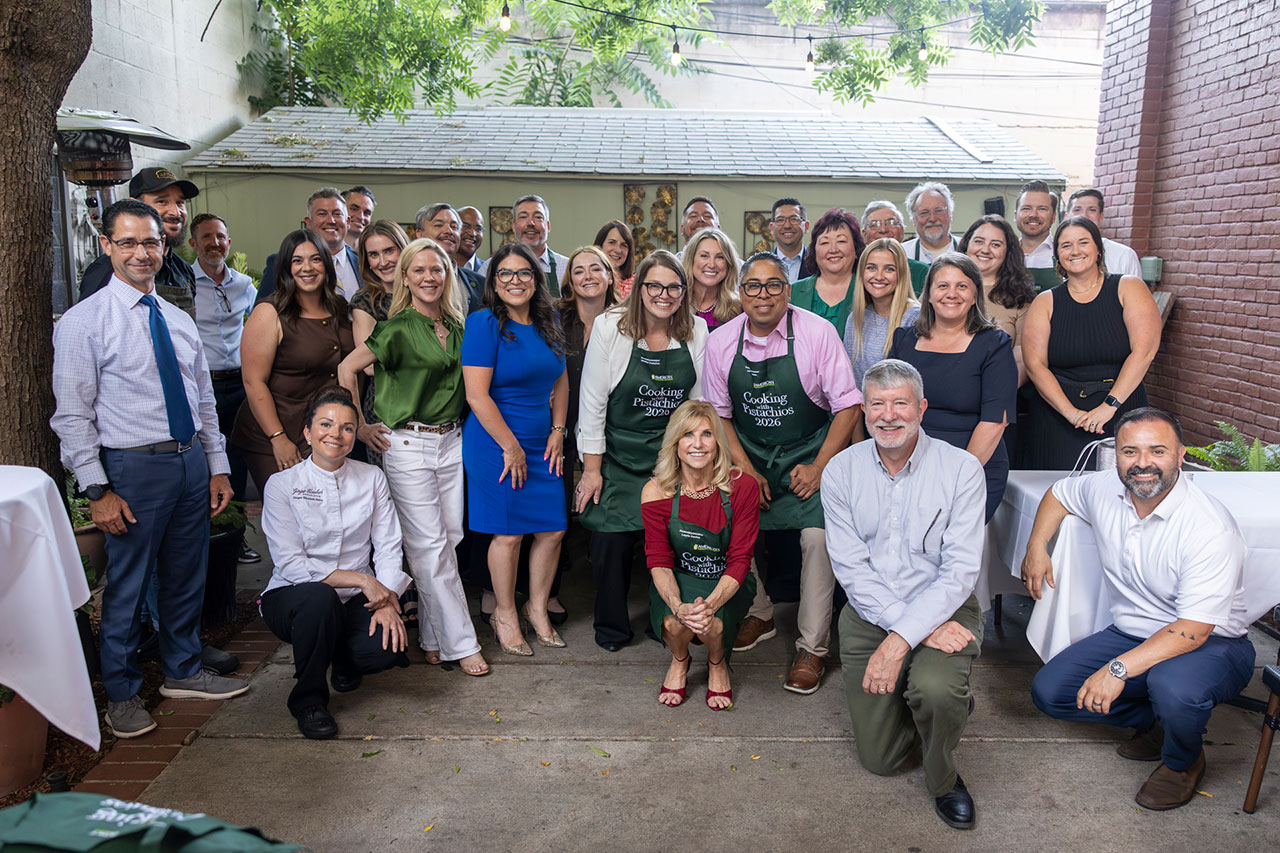
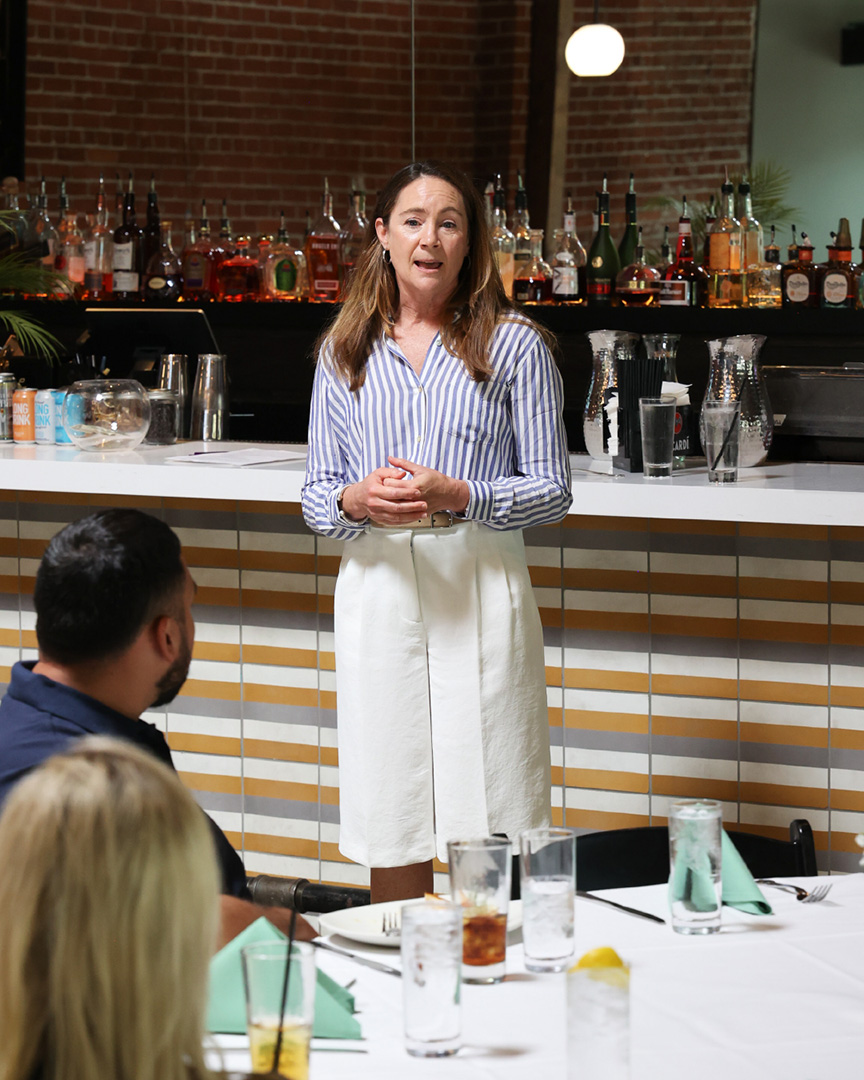
On June 1, 2026, American Pistachio Growers (APG) hosted its 4th Annual Cooking with Pistachios event in partnership with the Problem Solvers Caucus. This unique event brings together legislators, staff, and industry leaders to highlight the versatility, nutritional benefits, and culinary applications of California pistachios.
Each year, APG members join the Problem Solvers Caucus in the kitchen to prepare pistachio-inspired dishes and foster meaningful conversations about agriculture, food policy, and issues affecting California growers. The Problem Solvers Caucus is a bipartisan, bicameral group of California legislators dedicated to advancing practical solutions and building consensus across party lines.
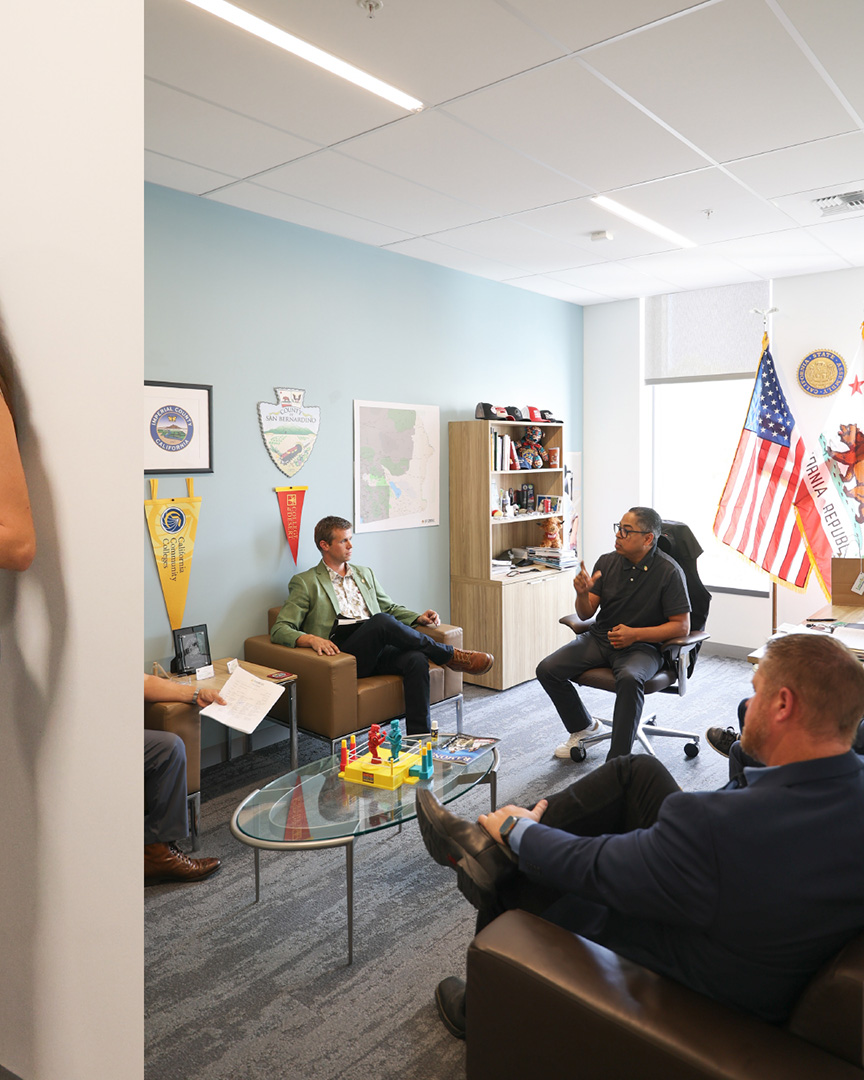
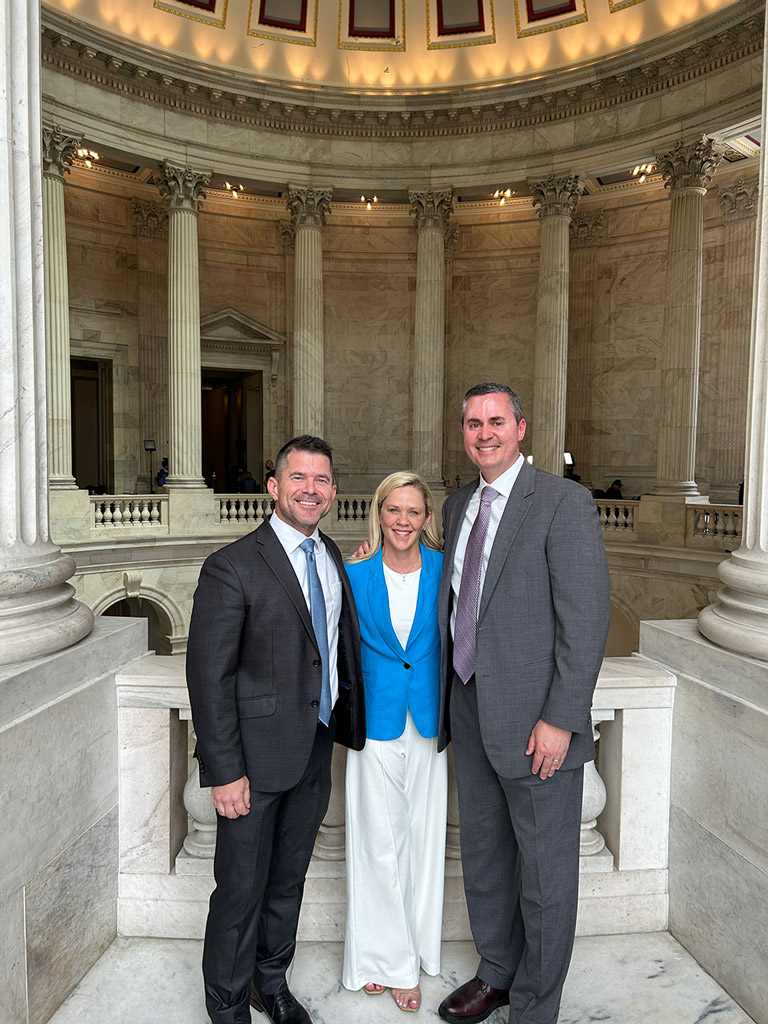
OFW organized and executed a successful fly-in June 8-9 with Cadee Condit for APG, and Mason Weeda and Eric Steiner for OFW. The group met with 10 Senate and House offices including Member-level meetings with Representatives Valadao (R-CA-22), Costa (D-CA-21), and Gray (D-CA-13), and officials from USDA AMS.
We raised several key topics: support for farm bill provisions that support specialty crops; request to end AMS scoring for IKD with support from Stephen Vasquez from the Administrative Committee for Pistachios (ACP), establishment of an aflatoxin protocol for Japan; APG appropriations priorities; and opening new markets and reducing tariffs in current markets for trade.
Cadee and the OFW team also attended PAC events for Sen. Collins (R-ME), Rep. Panetta (D-CA-19), and co-hosted an event alongside California Dairies Inc. for the Blue Dog PAC attended by Reps. Correa (D-CA-46), Costa (D-CA-21), Glusenkamp Perez (D-WA-3), and Gray (D-CA-13).
APG and OFW, through the Specialty Crop Farm Bill Alliance (SCFBA), is part of a major advocacy effort to secure at least $5 billion in emergency economic assistance for specialty crop producers through a supplemental funding package. The Congressional effort is championed by Senate Ag Committee Chairman Boozman (R-AR), Senate Ag Appropriations Subcommittee Chairman Hoeven (R-ND), and House Ag Committee Chairman Thompson (R-PA-15). A coalition letter sent to President Trump, which APG signed on, calls for the inclusion of specialty crop relief in any upcoming supplemental.
At this point, the timing of economic assistance remains uncertain, though possible legislative vehicles include a defense or disaster supplemental appropriations bill moving through Congress in the coming months.
Separately, the $11 billion USDA Farmer Bridge Program allocated $10 billion to row-crop farmers and $1 billion to specialty-crop and sugar farmers. USDA’s distribution of the $1 billion for specialty crops has been rebranded as the “Assistance for Specialty Crop Farmers (ASCF) Program, with the following details:
Pistachio Industry Insights Day returns Friday, July 24th at the Visalia Convention Center, bringing growers, industry leaders, and partners together for one focused day of education, innovation, and connection.
Insights Day gives growers the opportunity to hear timely updates, explore relevant topics, connect with exhibitors, and discover practical solutions they can take back to their operations. From expert programming to dedicated networking opportunities, the event creates a valuable space for learning, conversation, and collaboration.
This year’s event also features expanded opportunities for industry partners to build visibility with growers through updated branded sponsorships, new high-impact signage placements, exhibitor booths, equipment displays, program advertising, and other onsite engagement opportunities. These refreshed offerings are designed to help partners showcase their brand in a more meaningful and visible way throughout the event experience.

APG is strengthening grower outreach by expanding opportunities for access, engagement, and year-round value for growers. Through timely updates, educational opportunities, events, member communications, and one-on-one conversations, APG is creating more ways for growers to stay informed, ask questions, share feedback, and engage with the team. These efforts reflect our commitment to providing relevant tools and direct access to the people representing and supporting the pistachio industry. Growers are encouraged to share available resources and event opportunities with others who may be interested in learning more about APG’s work. A strong, engaged grower network helps ensure the pistachio industry has a unified voice in key conversations and supports APG’s ability to advocate effectively, advance global marketing efforts, and invest in resources that strengthen the industry’s future.
APG’s Associate Member Program continues to expand as more industry partners look for meaningful ways to connect with and support the pistachio community. Associate Membership provides companies with access to key APG events, grower networking opportunities, visibility through the online Associate Member Directory, eligibility for exhibitor and sponsorship opportunities, and access to APG industry communications. APG is also exploring additional opportunities for Associate Members to share expertise through future educational offerings, including webinars and other grower-focused resources. The program is helping build a stronger partner network for growers by making it easier to identify companies that provide products, services, and expertise to the pistachio industry. Companies interested in learning more about Associate Membership or upcoming opportunities are encouraged to connect directly with Rajina Kahlon.
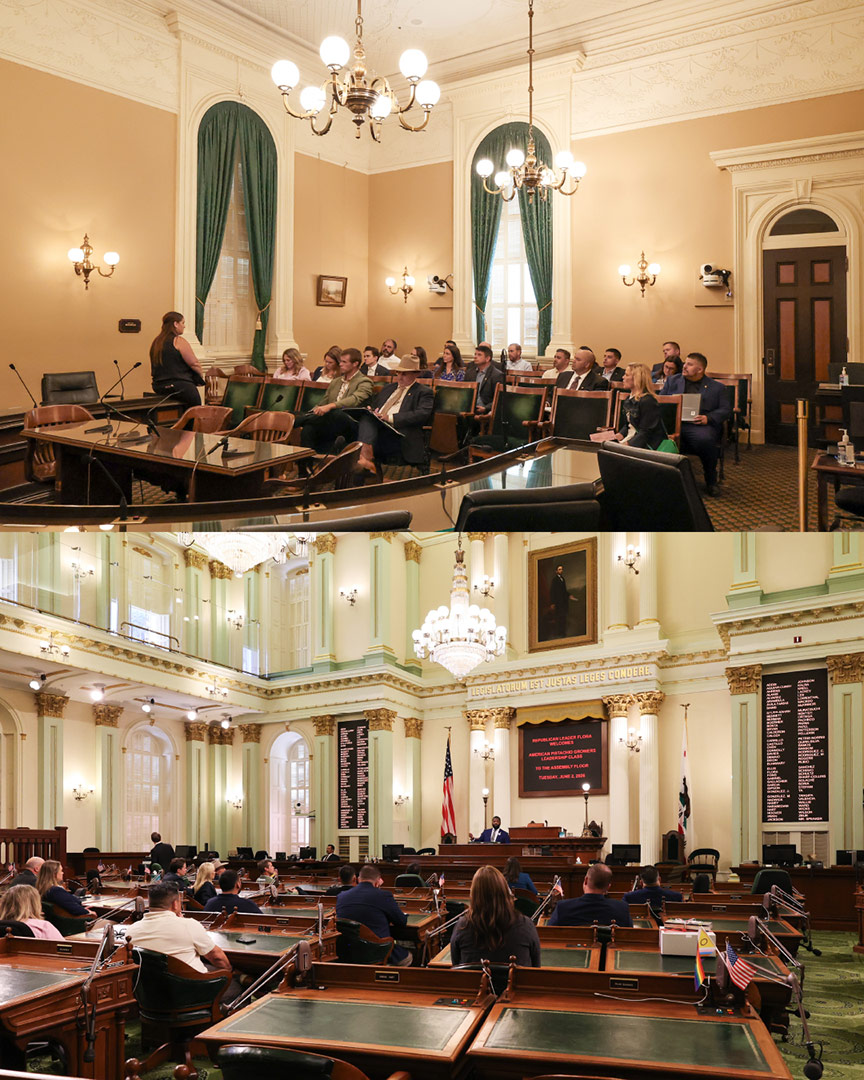
In June, the APG LeadOn class traveled to the State Capitol for a day of advocacy, education, and engagement with state policymakers. The class met with legislators and their staff to discuss issues impacting California agriculture, with a primary focus on advocating in opposition to AB 1603.
The day included several memorable opportunities, including a visit to the Assembly floor hosted by Assemblymember Heath Flora’s office, a luncheon with Senator Shannon Grove, Assemblymembers David Tangipa and Alexandra Macedo, and CDFA Undersecretary Christine (Robbins) Birdsong, followed by afternoon meetings with legislators and legislative staff.
Capitol visits like these provide LeadOn participants with valuable firsthand experience in the legislative process while emphasizing the importance of building relationships with elected officials. These connections help ensure agriculture has a strong voice in shaping public policy.
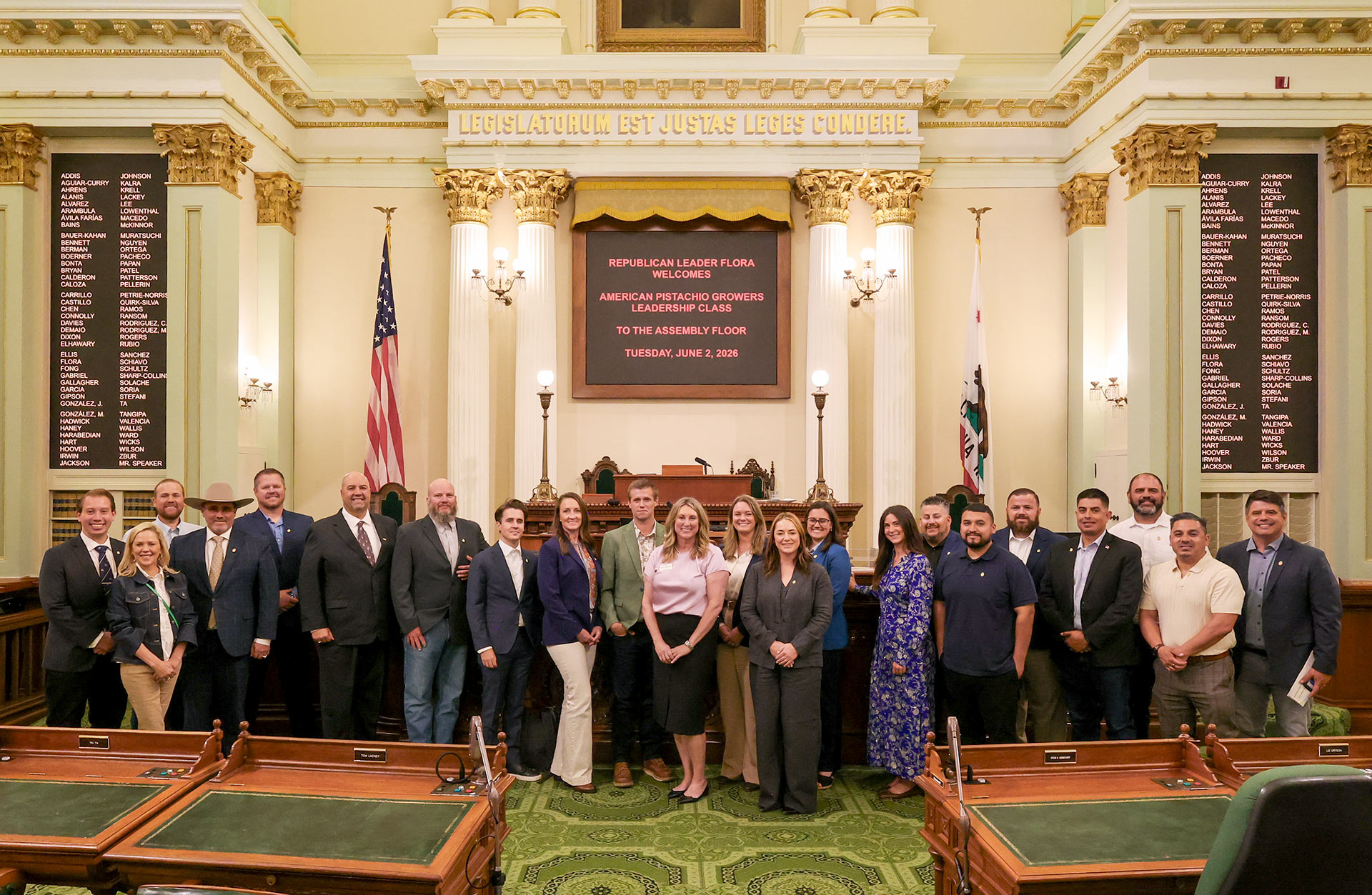
APG extends its sincere thanks to the legislators, their staff, and the board members who took the time to meet with the LeadOn class. Their engagement and support made the experience meaningful and reinforced the value of collaboration between agricultural leaders and policymakers.
The American Pistachio Growers’ LeadOn Leadership Program is now accepting donations for its annual raffle at Insights Day! Proceeds from the raffle directly support the LeadOn program by helping cover lunches, transportation, and other program expenses that provide valuable leadership development opportunities for the future leaders of our industry.
We welcome donations of all kinds, including curated gift baskets, gift cards, trips or excursions, experiences, and other raffle-worthy items.
Thank you for your generous support of the next generation of leaders in the pistachio industry!
If you would like to donate or have any questions, please contact Hannah Doyle at hdoyle@americanpistachios.org to arrange your donation.

From legislative advocacy to educational resources and industry events, stay informed on everything shaping our grower community.
This year has made it clear that resilience in pistachio production is not a side conversation. Heat during bloom, tightening water supplies, SGMA implementation, pesticide policy, nitrogen and water quality scrutiny, rising input costs, and crop risk are all landing in the same place: the farm. For growers, resilience means having practical tools and credible data that help keep orchards productive while protecting crop quality, profitability, and long-term viability.
This work also matters in the policy arena. Recent legislation and regulatory discussions around Sustainable Pest Management, pesticide ingredients, nitrogen, groundwater, water quality, and reporting requirements show that agriculture will continue facing greater expectations around efficiency and measurable improvement. APG’s role in sustainability is to help build real examples before future rules are shaped around assumptions that do not reflect commercial pistachio production.
In this update, I want to highlight where that work is taking shape: water communication, soil health research, carbonic acid, nitrogen leachate monitoring, irrigation management, crop-resilience tools, Regional IPM, precision spray technology, and alternative materials. APG also continued grower education this quarter through a soil fertility and soil health webinar, a Water Education and Sustainability Day with Sustainable Conservation focused on on-farm recharge and SGMA, and an irrigation management field day focused on advanced water-management technologies.
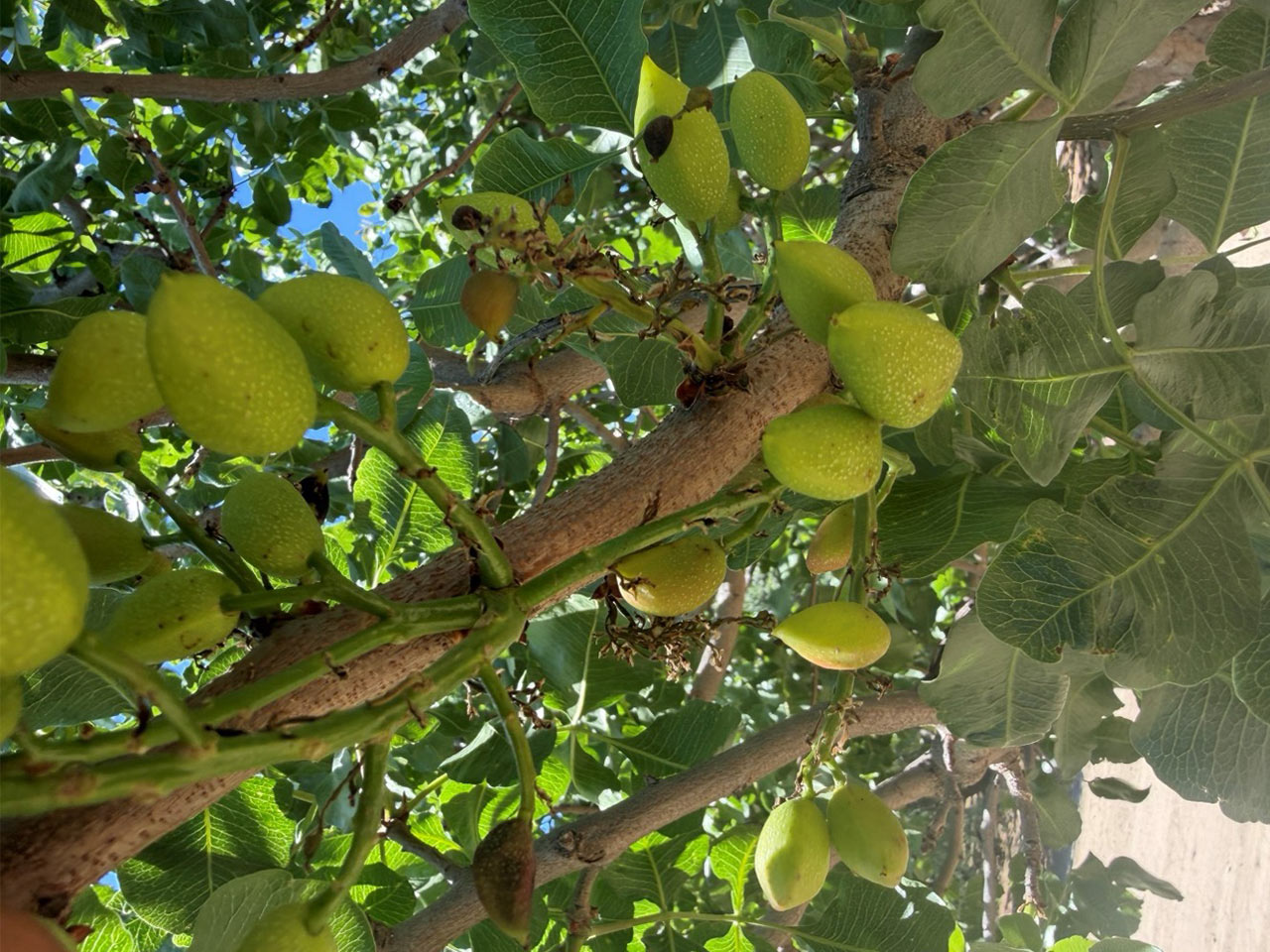
Pistachio rachis damaged by heat during bloom
Outreach has continued through media updates, interviews, navel orangeworm management communications, policy panels, committee meetings, and direct grower conversations. Those interactions help APG understand what is happening in the field, where regulation is creating practical challenges, and which production issues need organized research or demonstration support.
Water management has become one of the most important areas of APG’s sustainability work. This quarter, APG launched a customized monthly SGMA and water update through WaterOne to help growers keep up with decisions affecting groundwater access, surface water reliability, well registration, recharge opportunities, fees, allocations, and long-term orchard planning.
The WaterOne reports are organized by geography and built around what growers need most: must-know developments, key deadlines, opportunities to voice an opinion, and the long-term outlook for each region. Instead of expecting growers to track dozens of GSA, irrigation district, water agency, and State Water Board meetings on their own, the reports sort that information into practical regional summaries. A water rule that looks procedural at a board meeting can become a real cost, restriction, or opportunity at the farm level, so the value of this work is helping members see issues earlier and decide when to engage.
The same approach carries into APG’s soil health and water research. Under SGMA, rising input costs, heat and drought risk, and increasing scrutiny around nitrogen and water quality, soil function is becoming one of the main foundations for long-term farm viability. Better infiltration, water holding capacity, nutrient cycling, and irrigation management are both soil health concepts and water resiliency tools.
New Monthly Water Report
That is the purpose behind the APG Soil Health Deep Dive, which officially launched in late Quarter 1. The project is a commercial-scale research and demonstration platform in West Fresno County designed to evaluate how soil health practices, biological inputs, nitrogen strategies, irrigation management, and water-applied technologies perform under real pistachio production conditions. The goal is to answer the questions growers actually need answered: What works? What pays? What improves nitrogen and water use efficiency? What helps the tree tolerate stress? Where are the points of diminishing returns?
The Soil Health Deep Dive is supported through grant funding, partner contributions, and pending federal research support. Current funding includes $150,000 from F3 Local, contributions from True Organics, California Energy Commission grant support for carbonic acid research, and two F3 Innovate grants tied to nitrogen-rate evaluation within carbonic acid treatments and the microalgae research component. APG has also applied for an $850,000 federal USDA AFRI grant that would expand the microbiome, soil health, irrigation, nitrogen management, yield, and economic analysis connected to the project.
The site has been retrofitted with automated irrigation and fertigation control so treatments can be applied by zone, replicated properly, and tracked with a level of precision rarely possible at this scale in permanent crops. Two major research efforts have now started there. The first, led by Dr. Sangeeta Bansal of Fresno State University, evaluates how carbonic acid may influence nutrient availability, nitrogen use efficiency, nitrogen management, and soil chemistry. The second, led by Dr. Mae Culumber with UCCE, focuses on soil health, microbiome, irrigation management, nitrogen management, tree response, and yield.
Initial sampling has been completed for both projects, lysimeters have been installed to collect nitrogen leachate data, and automated treatments are being made. This is critical because if agriculture faces more pressure around nitrogen and water quality, APG needs field-scale data showing how different practices affect nitrogen movement below the rootzone under pistachio production conditions.
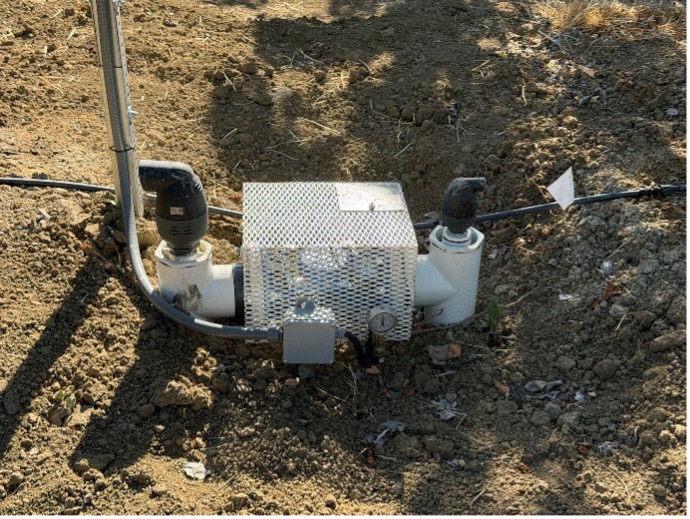
Automated valve controlling a research replicate at the SHDD site.
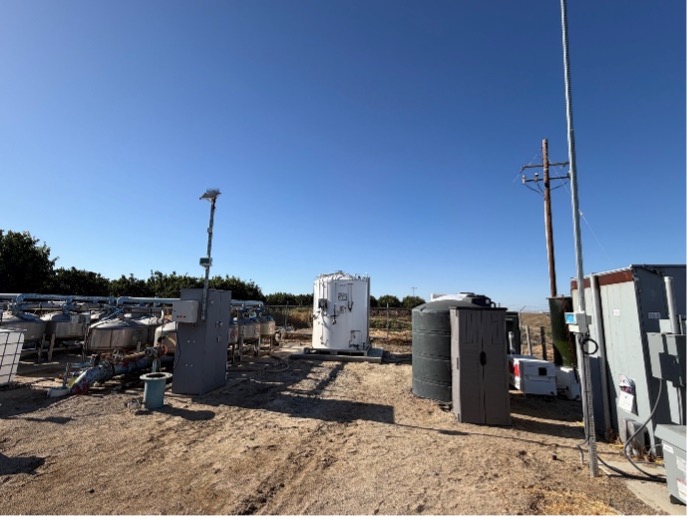
Carbonic acid and microalgae systems at the SHDD site.
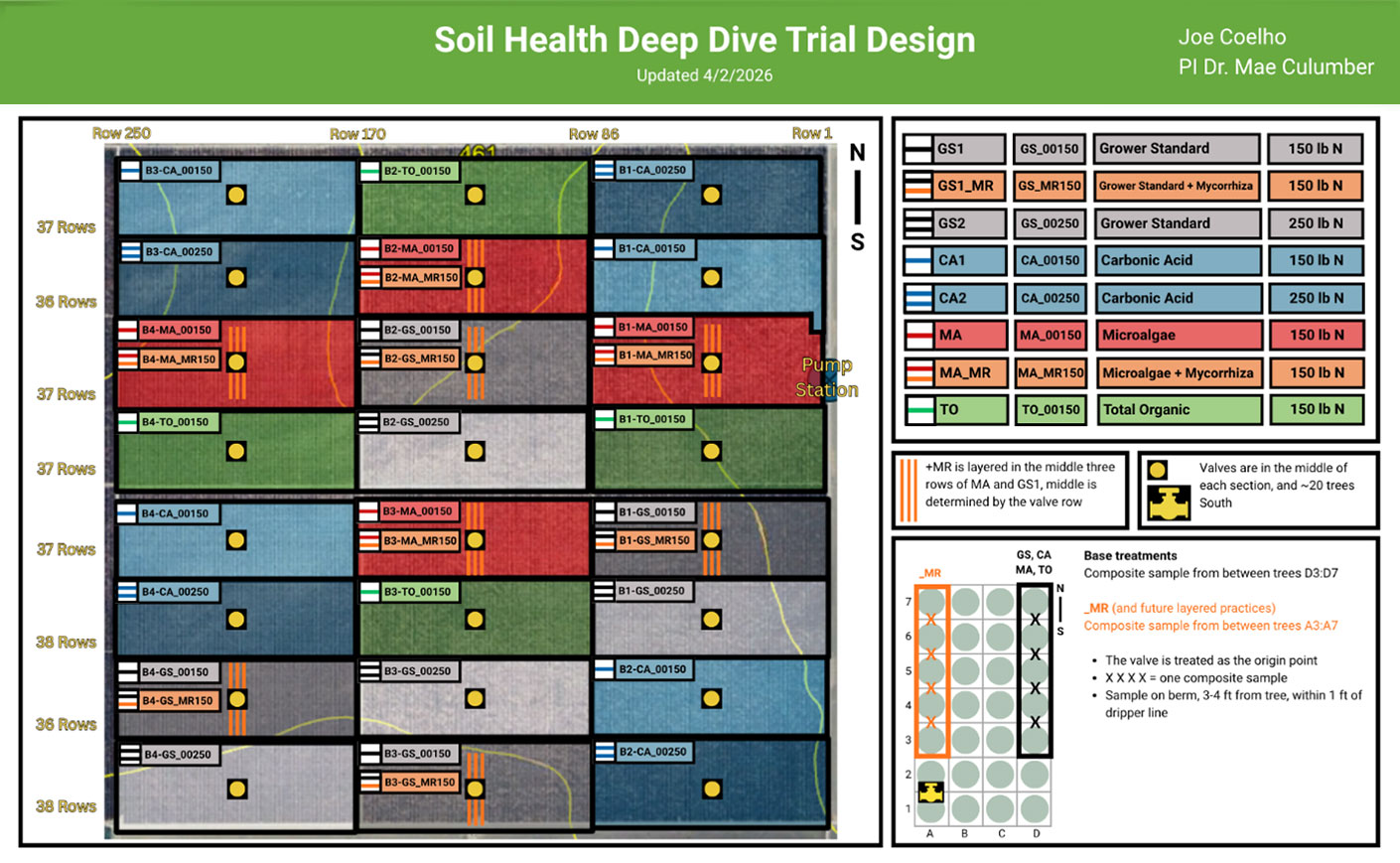
Soil Health Deep Dive Trial Design.
The Deep Dive is also intended to become a platform for future research. Once the base infrastructure is in place, other practices and products can be layered into the system without rebuilding a new trial from scratch. That matters because growers are constantly approached with new products, biologicals, water treatments, fertilizers, biostimulants, and soil amendments. Some may have real value. Some may only work under specific conditions. Others may not justify their cost. APG’s role is to help sort through those claims with field-scale research and practical economics.
APG is also continuing work through the Healthy Soils Program. We are currently implementing Year 2 of the existing HSP block grant and expect that project to conclude next season. At the same time, APG is evaluating potential partnerships for the newest round of block grant proposals for both HSP and SWEEP, with the goal of bringing additional funding opportunities back to pistachio growers for soil health, irrigation efficiency, and conservation practice adoption. We are also awaiting funding decisions for demonstration projects within the same program area.
Several crop-resilience and product-evaluation projects are continuing alongside this work. APG is entering a second year of research with Corteva on X-Cyte to evaluate potential effects on yield, crop retention, stress response, and tree performance. We are launching new work with Valent to evaluate crop removal enhancement tools in pistachios. Variable-rate application demonstrations for soil amendments and fertility materials also remain available through support from associate members, helping growers evaluate soil mapping, zone-based recommendations, and more targeted input use.
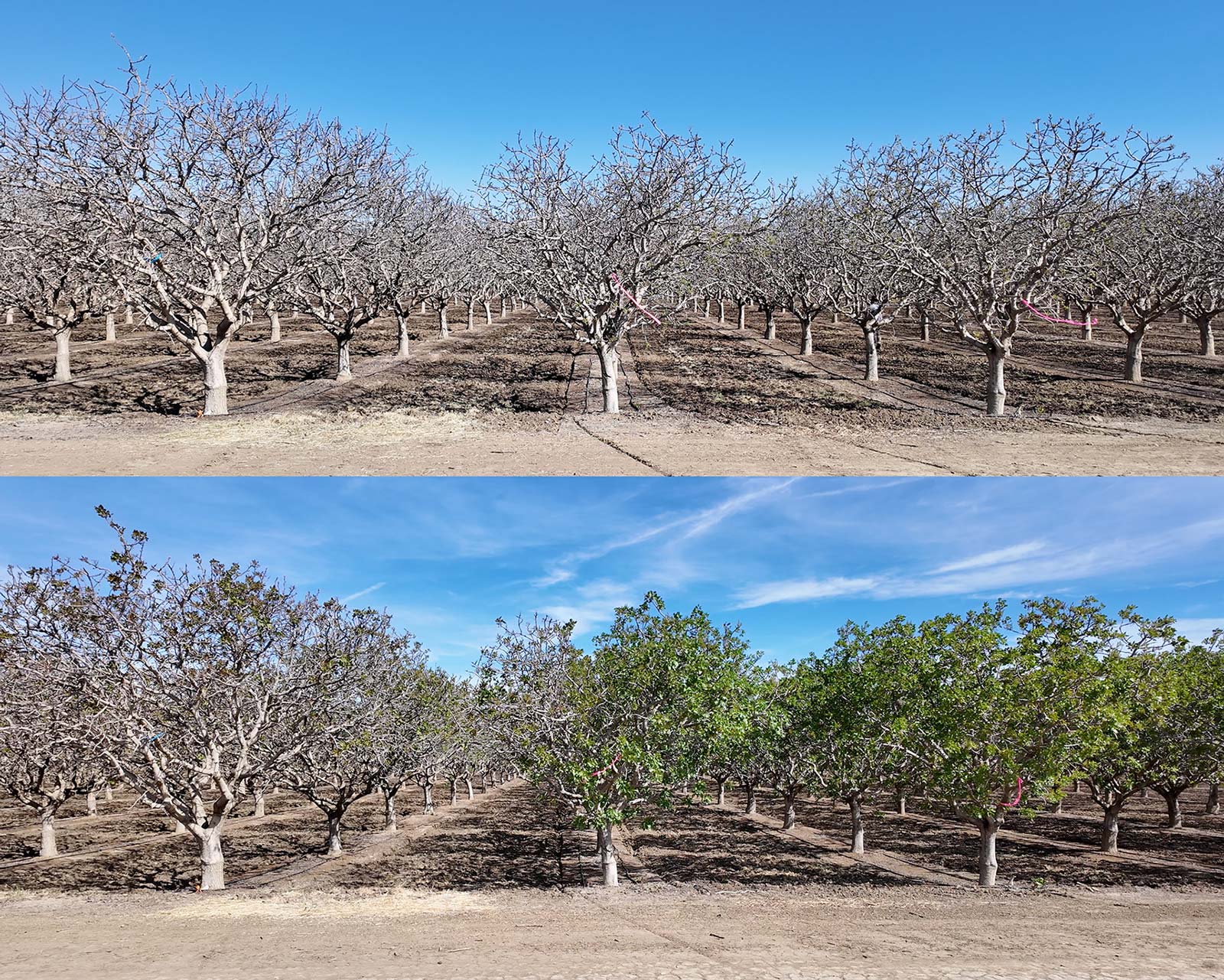
Dormex Untreated vs Dormex Treated
Reflective material and sunblock research is also continuing, with carbohydrate sampling planned in existing trials to better understand whether these products can influence nonstructural carbohydrate reserves, canopy conditions, and tree stress. Dormancy-related work also continued this season through Dormex observations and grower demonstrations, where growers reported clear differences in dormancy break and early-season development. Together, these projects connect soil function, irrigation control, nutrient efficiency, crop-stress management, and product evaluation into one larger effort.
Recent discussions around AB 1603 have reinforced a larger point that APG has been working on for some time: the future of pest management in California will require better tools, better data, and a practical understanding of what growers face in the field. For pistachios, any transition away from existing tools has to be based on proven performance, realistic cost, and commercial field conditions.
APG’s response has not been to simply defend the status quo. The work underway is aimed at helping define what a responsible transition can look like for pistachio growers. That means reducing risk where we can, improving precision where tools exist, evaluating alternatives honestly, and making sure policymakers understand where replacement tools are still lacking.
A major part of this effort is the regional navel orangeworm management project, which is moving toward implementation in pilot regions. This project brings growers, researchers, PCAs, processors, smart traps, weather data, degree-day modeling, and decision support into a more coordinated system. Navel orangeworm does not stop at the edge of one ranch, and better regional information should help growers improve timing, understand pressure across larger areas, and make more informed decisions before damage occurs.
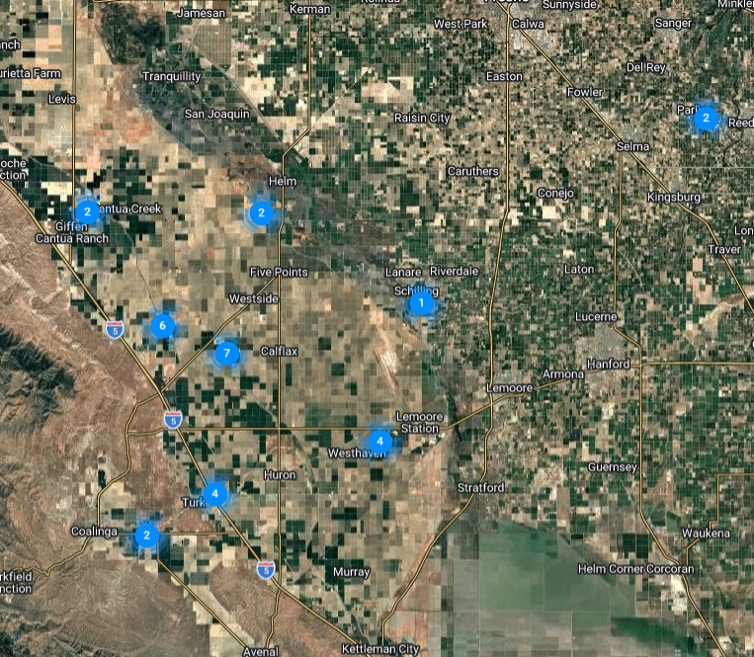
Regional NOW pilot regions and monitoring network.
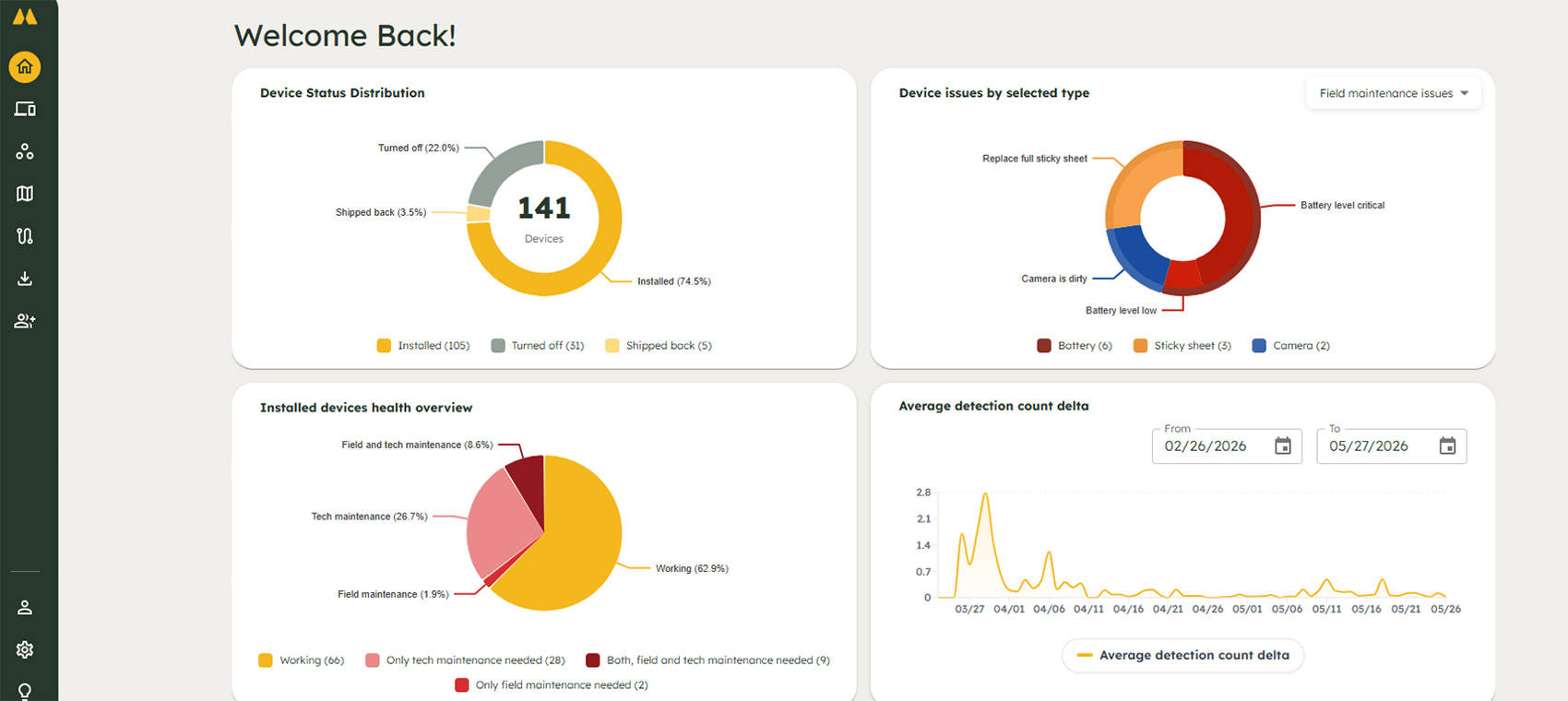
Dashboard and communications for Regional NOW IPM program.
APG is also continuing to evaluate technologies that reduce pesticide and herbicide use while maintaining performance. John Deere Smart Apply® has reduced total applied spray volume by approximately 55% or more in bearing pistachio orchards, with even greater reductions in younger orchards, while efficacy work to date has shown no meaningful loss of navel orangeworm control compared to conventional applications. Additional SmartApply applications have already been made in pistachios this season, and navel orangeworm-timing applications have also been completed in almonds.
The value to growers is direct: reduced material cost, fewer tank refills, reduced labor and fuel demands, and less off-target application while maintaining crop protection. The importance of this work has also been recognized beyond APG, with John Deere Corporate selecting APG’s SmartApply pistachio trials for inclusion in its Annual Global Business Impact Report.
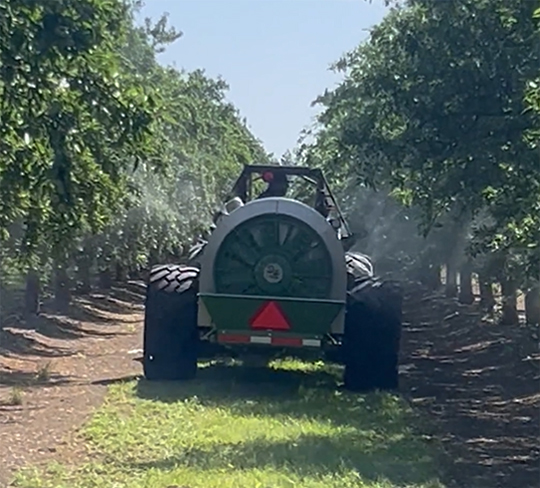
John Deere SmartApply sprayer, spraying only what the LiDAR system can see.
WeedSeeker 2® demonstrations remain another example. By spraying only where weeds are detected, the system has shown herbicide reductions ranging from roughly 30% to 80%, depending on orchard age, canopy cover, and weed pressure. These technologies are cost-saving tools, but they also strengthen APG’s case in the policy arena by showing that pistachio growers are actively adopting precision systems that reduce pesticide and herbicide use while maintaining crop protection.
Alternative materials are another important part of this work. APG has been involved in grower demonstrations and evaluations involving Lime Sulfur for Gill’s mealybug, SpearLep and other biological tools for navel orangeworm, alternative fungicide programs for Alternaria and stain management, and additional materials that may fit into future pest management programs. Some products may become useful components of commercial programs, some may serve as maintenance tools or rotational options, and others may need more work before they can be recommended with confidence.
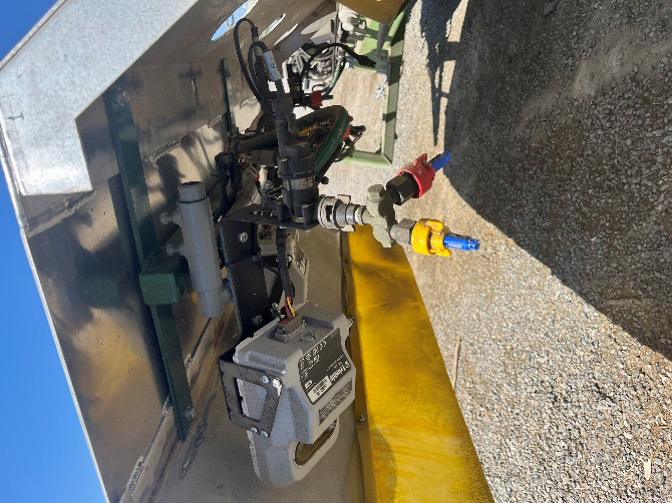
Weedseeker 2® sensors, a see-and-spray technology.
Rat pressure has also increased in several pistachio-growing areas. In response, APG has worked to get practical tools directly into growers’ hands by securing rat bait stations for member use as part of a broader rodent management strategy. These stations are still available to APG growers dealing with rat activity and are encouraged to contact APG.
Sustainable Pest Management has to be built on tools that protect the crop, hold up economically, and fit the realities of pistachio production. Growers cannot afford to lose effective materials before replacement strategies are proven, especially in permanent crops where one bad season can affect several years of return.
Across all of these efforts, APG’s role is to help growers move from uncertainty to tested options. Whether the issue is pest pressure, water availability, soil performance, input cost, product claims, or regulation, the goal is to evaluate solutions under commercial conditions and turn that information into something growers can actually use.
This work also strengthens APG’s ability to protect growers in the policy arena. When APG engages with legislators, regulators, agencies, and partner organizations, these projects give us field examples, economic context, grower participation, and practical evidence showing what is possible, what is not yet proven, and where regulation must account for the realities of commercial pistachio production.
Member involvement is what makes that possible. If you are interested in Regional IPM, SmartApply, WeedSeeker 2, alternative materials, rodent management tools, soil health research, water communications, irrigation technology, or other demonstrations, please reach out and join the work. Please also consider attending a Sustainability Committee meeting to learn more and get involved. Give me a call and let’s get to work.
Please do not hesitate to reach out. I wish everyone great luck heading into nut fill.
Joe Coelho
Director of Sustainability & Member Outreach
559.260.5114
jcoelho@americanpistachios.org
American Pistachio Growers is offering a range of participation opportunities that help growers evaluate real solutions under real orchard conditions. These programs are designed to support better decision-making, improve operational efficiency, and strengthen both the economic and environmental sustainability of pistachio production. APG helps growers assess the value of new tools and technologies, connects them with the right partners, and provides support throughout the evaluation process.